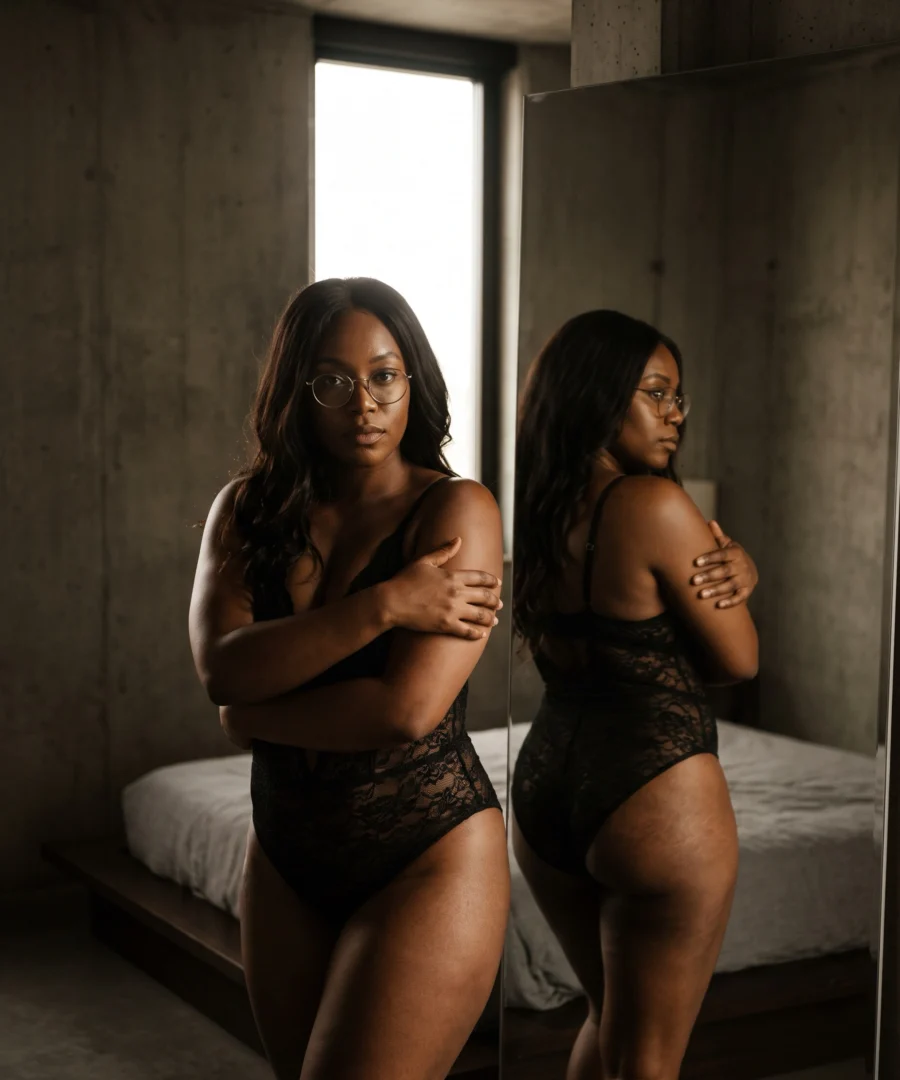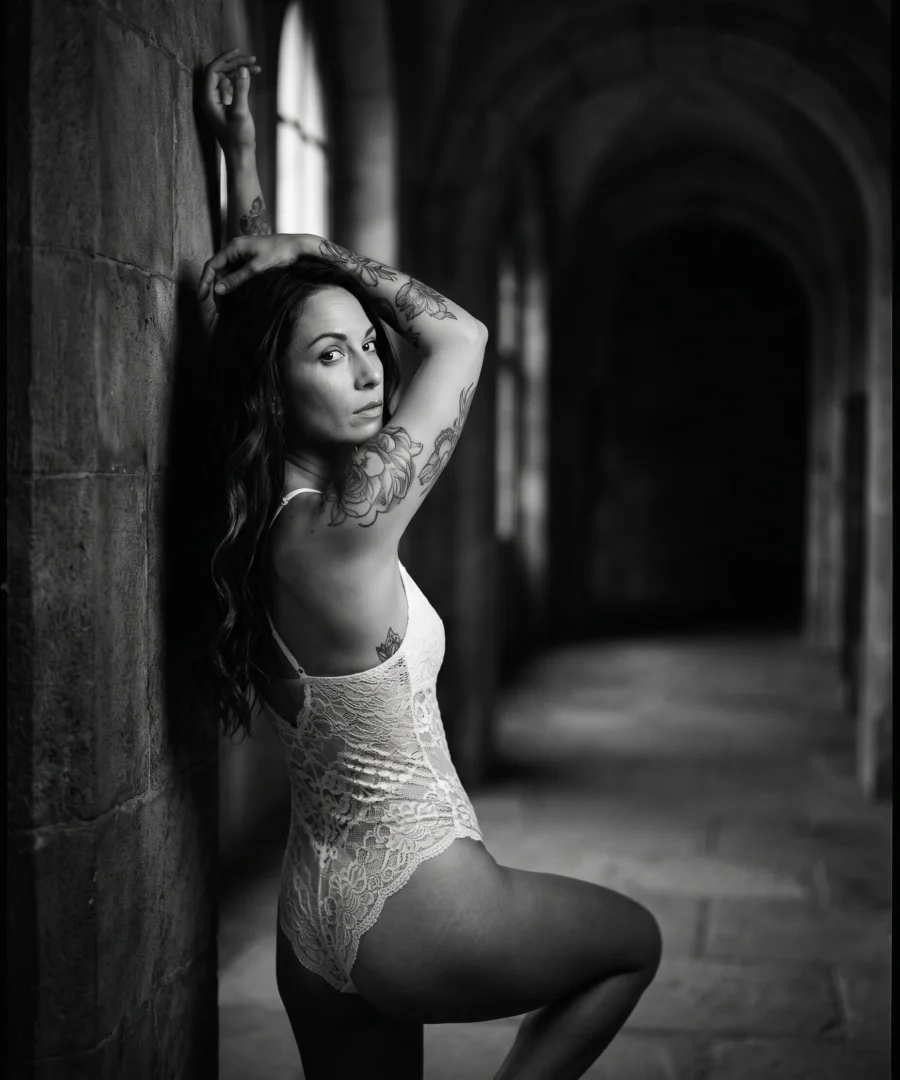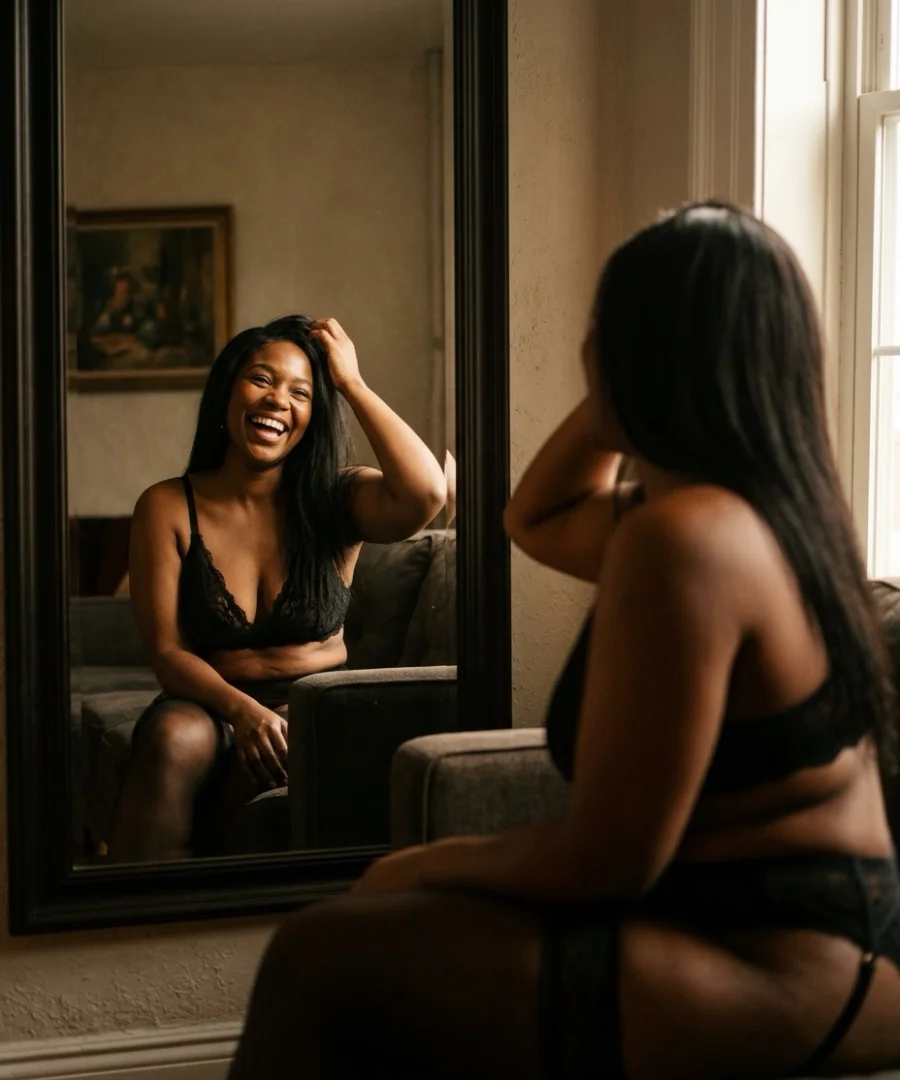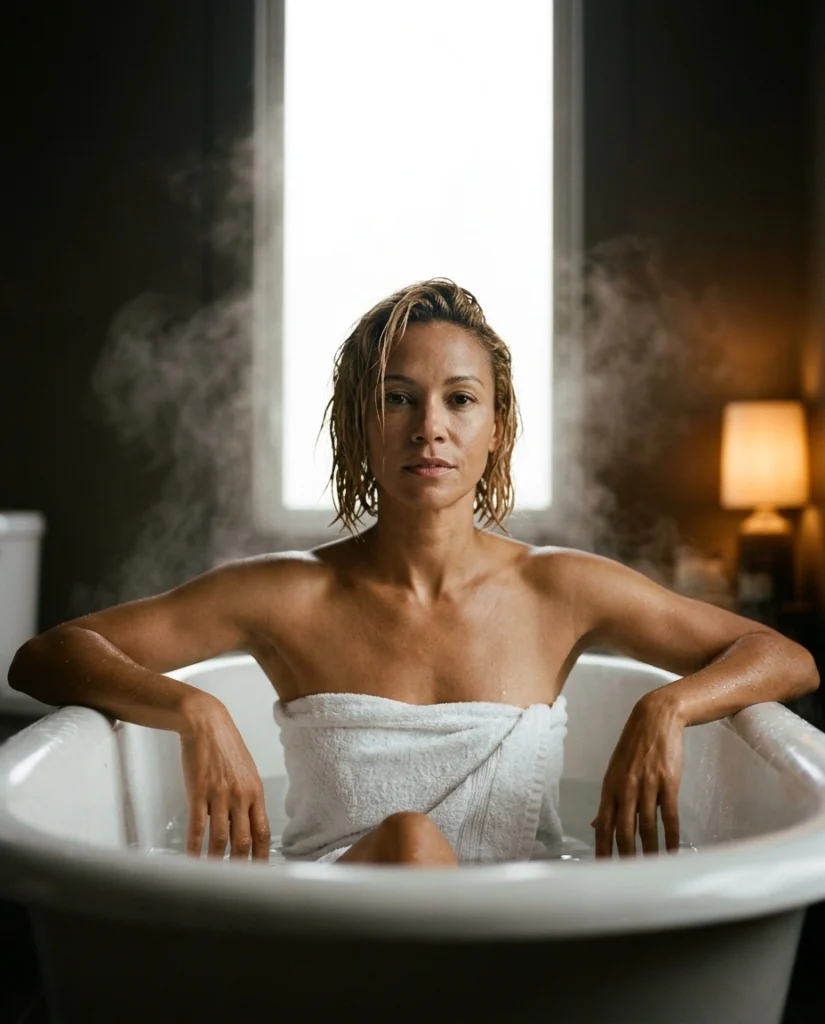
To start a boudoir photography business, learn to light and direct clients, write a short plan, and build a portfolio with real range. Then add a private space, a website and written privacy rules. Open bookings only after setting clear boudoir prices from your real costs.
How to start a boudoir photography business
A boudoir photography business is a portrait service that sells intimate, tasteful images made in a bedroom or private dressing room. The name comes from French, where boudoir means a woman’s private sitting room or bedroom.
The genre exists to build confidence and a sense of empowerment, so every client should feel seen and respected. Readiness matters more than speed when starting a boudoir business.
Use this rule: do not open bookings until every item below is complete.
- You can direct and pose a client with confidence.
- Your portfolio shows a range of bodies, ages, genders and ethnicities.
- You have researched your target audience and competitors.
- Your budget covers equipment, studio, marketing and overheads.
- Your packages are priced from real costs, including editing time.
- Your website is live and shows the portfolio.
- Your confidentiality policy is written, files are stored securely and access is restricted.
- Your private, warm shooting space is ready.
- Your consent and boundaries process is defined.
What skills do you need before taking paying clients?
You need technical control and strong people skills. The technical side covers lighting, composition, camera settings and post-processing. The people side covers directing, posing, building rapport and keeping the room relaxed.

Study boudoir lighting techniques early, because light shapes every frame. Then practice portrait work until you can give calm, clear direction and pose someone without stopping to think.
Workshops keep your skills current and put you in touch with other photographers. Pick ones that fill a gap you can name, such as posing or post-processing.
What goes in a boudoir business plan?
A boudoir business plan needs market analysis, clear objectives, a budget and financial projections. Keep it short enough to use. Each part answers one plain question.
- Market analysis: how much demand is there for your service?
- Target audience: who do you want to photograph, and what do they need?
- Competitors: what do they offer, and where is the gap?
- Objectives: what will your business stand for, and what are your goals?
- Budget: what will equipment, studio space, marketing and overheads cost?
- Projections: how many sessions cover those costs at your prices?
Successful boudoir photography rests on this groundwork as much as on the images. Update your boudoir photography business plan as real numbers replace your first estimates.
How to get clients for a new photography business
Clients need to see themselves in your work and find you easily. Start with the portfolio, then build the channels that carry it.
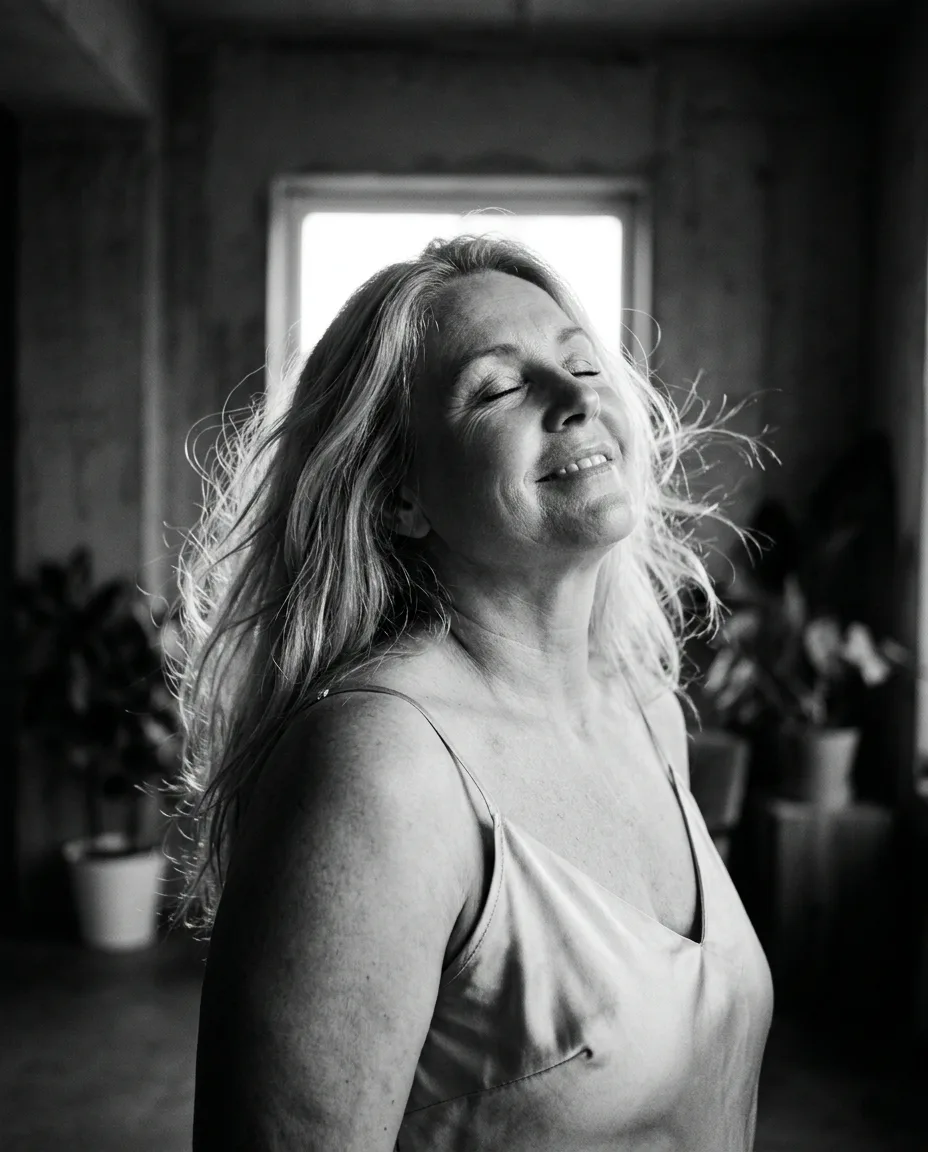
Build a portfolio that shows real range
Building a boudoir photography portfolio starts with models who share your vision. Plan shoots together that show a range of styles and personalities.
Include different body types, ages, genders and ethnicities. When potential clients see themselves in your work, they gain the confidence to book.
Use your brand, website, social media and SEO
Learning how to market a boudoir photography business starts with brand identity. That means the whole customer experience, not only a logo or color scheme.
- Website: keep it professional and easy to use, and make your services, style and portfolio clear. For many clients, it is the first contact.
- Social media: post regularly and reply to your followers.
- SEO: target the terms your audience searches for, and build pages around them.
Boudoir photography pricing packages and add-ons
Price from your costs first, then turn them into options clients can compare. No set figure fits everyone, because your costs decide the numbers.
Set packages from your real costs
List what each session costs you, from equipment and overheads to editing. Track your editing hours, and use a technical guide to boudoir editing if that time keeps growing.
| Option | What it does | Check first |
|---|---|---|
| Structured packages | Makes the choice easier and sets clear expectations | Does each package cover its costs? |
| Special promotions | Gives more people a reason to book | Does the lower price still cover your costs? |
| Payment plans | Helps clients with different budgets | Can your budget wait for the full amount? |
Add services as you grow
Add one service at a time, once your core session runs well.
- Partners: makeup artists, fashion designers and wellness coaches can add to the client experience.
- Niches: couple’s boudoir and themed shoots can reach different clients.
- Products: framed prints and custom albums give clients more ways to keep their images.
How do you keep clients comfortable and protected?
You keep clients comfortable with a private space and clear communication, and you protect them with written policies. Have both ready before the first session.
Set up the studio and session around the client
Make the space private, warm and inviting. Check the light and room temperature, and choose quality furniture, fabrics, props and accessories that suit each session.
Then shape the session around the client:
- Consultation: ask what the client wants and what they want to avoid.
- Styling: give wardrobe guidance, whether they bring outfits or want suggestions.
- Shoot: collaborate, check in often and keep their vision central.
Put confidentiality, data and consent in writing
Boudoir client privacy and confidentiality should never rest on a spoken promise. Write down how you handle photos and personal details.
- Storage: keep all files in secure storage.
- Access: restrict who can open them.
- Consent: agree boundaries up front and confirm them as you go, so the client stays in control.
Good to know
Clear communication helps clients feel secure. Tell each client how you store their files and who can open them.
Boudoir photography business: frequently asked questions
How much money do you need to start a boudoir photography business?
The amount depends on your own costs, so no single figure fits every photographer. Add up equipment, studio space, marketing and other overheads, then add financial projections to your plan. Those numbers show how much money you need before you open bookings.
How do you get your first boudoir photography clients?
Start with a portfolio that lets people see themselves in your work. Collaborate with models to show a range of bodies, ages and styles, then publish the images on a professional website. Regular social posts and targeted SEO help the right people find you.
Do you need a private studio for boudoir sessions?
You need a space that is private, warm and inviting, and your budget decides what form it takes. Check the light and temperature, and add quality furniture, fabrics and props. Clients should feel secure there, with clear communication and boundaries from the start.