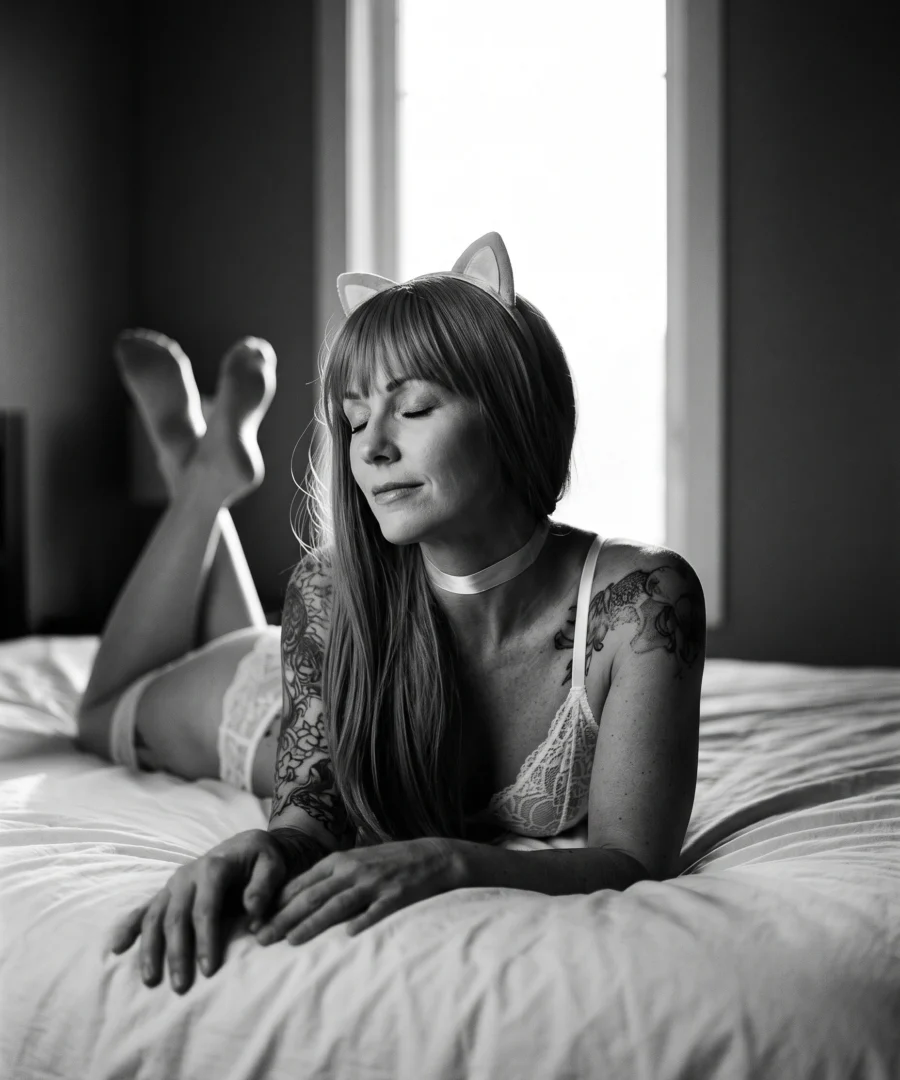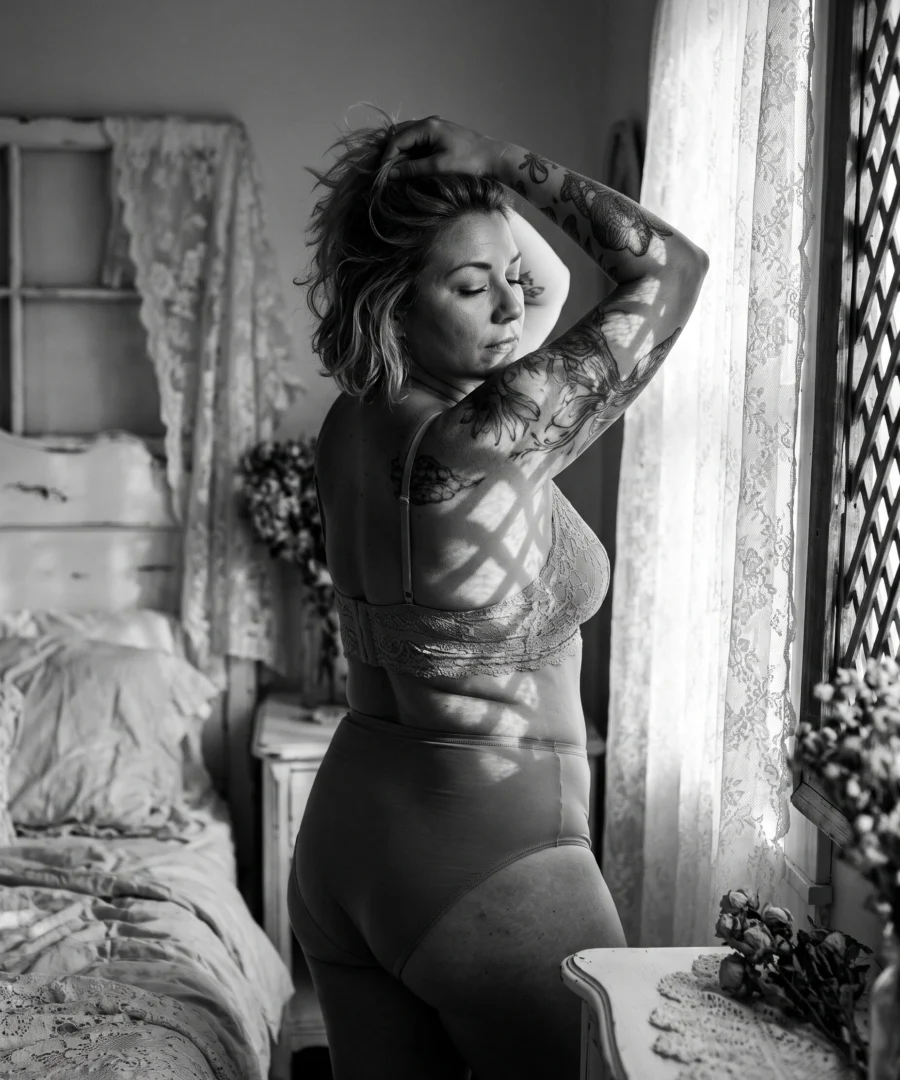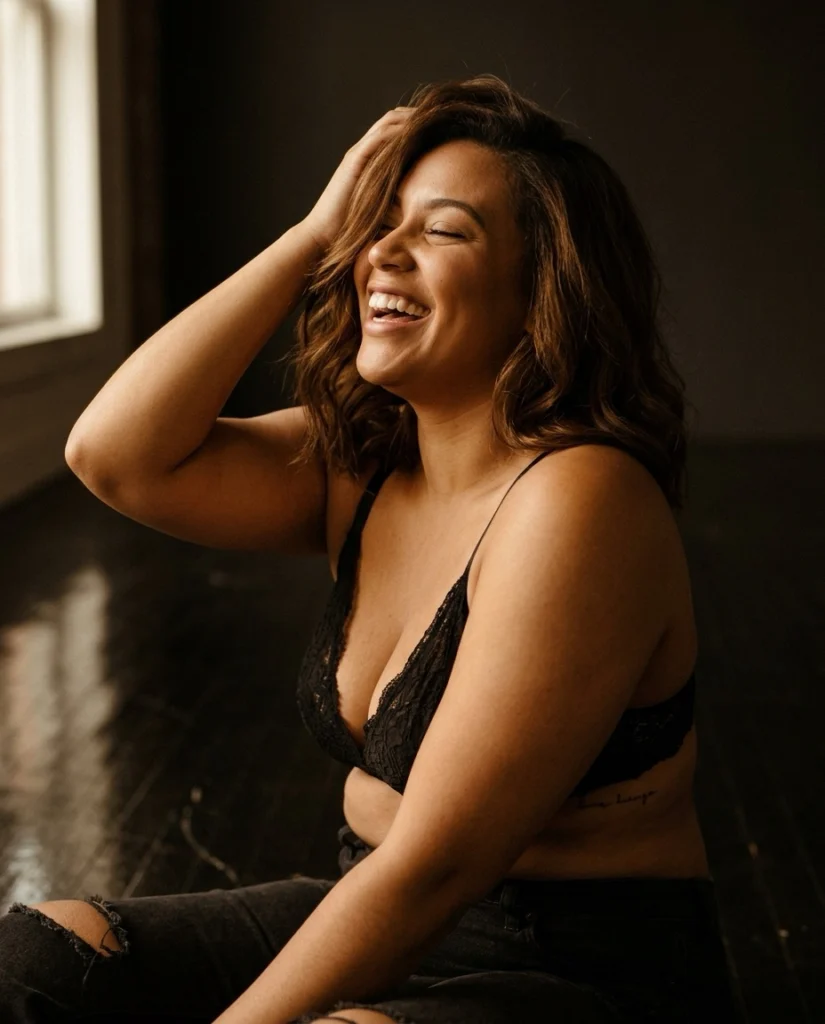
So, what is conceptual boudoir photography? It is a boudoir shoot built around one idea or story you choose, so wardrobe, props, setting, light and editing all serve that idea. Once the basics are clear, you can browse themes and planning ideas for your own session.
Boudoir photography definition: where the concept comes in
Conceptual photography is a genre where an idea, message or emotion is the main focus, not just the moment.
Boudoir photography is intimate portraiture. It gives you a safe, private space for self-love and personal celebration, whatever the tape measure says.
Put the two together and the symbolic meets the sensual. The images still show you, but they also tell a story you picked, such as a fresh start, a milestone or a mood you love. That is what boudoir photography really means in a conceptual session: portraits with a point of view.
How a conceptual shoot differs from a classic boudoir photoshoot
A classic boudoir photoshoot centers on you, your comfort and flattering light. A conceptual shoot adds one more layer: every choice has to fit the idea. Beauty photography is different again, with the focus mostly on face, skin and makeup.
| Classic boudoir | Conceptual boudoir | Beauty photography | |
|---|---|---|---|
| Starting point | You and how you want to feel | One idea or story you choose | Face, skin and makeup |
| Planning | A short talk about outfits and poses | A longer talk and a shared plan | A makeup and lighting plan |
| Wardrobe and props | Lingerie or pieces you love | Chosen to carry the story | Mostly hair and makeup |
| Setting | Studio or bedroom set | Picked for what it adds to the idea | Clean studio backdrop |
| Editing | Natural, flattering retouching | Color and mood tuned to the story | Close work on skin and makeup |
Neither style is better. A classic session is just as valid if you simply want lovely boudoir portraits of yourself.
How is a concept chosen for your session?
A concept is chosen in a conversation before the shoot. You and your photographer talk about your story, your wishes and the images you keep saving. Your input matters as much as the photographer’s direction, so bring every idea, even the half-formed ones.
Good starting points
- A dream you have held close for years.
- A personal change, such as healing or a new chapter.
- A milestone or celebration, like a birthday.
- A mood, era or place you keep coming back to.
Theme examples in plain words
- Romantic and soft: pale colors, sheer fabric, gentle light.
- Bold and abstract: shapes, deep shadow and strong color.
- Vintage glamour: an older era in hair, wardrobe and set.
- Airy and dreamlike: light fabric, soft focus, open space.
- Strength and starting again: a rebirth story told through light, place or props.
Planning wardrobe, props and location for the shoot
Once the idea is set, planning turns it into a real day. Expect more prep than a classic session, because each piece has to fit the story.
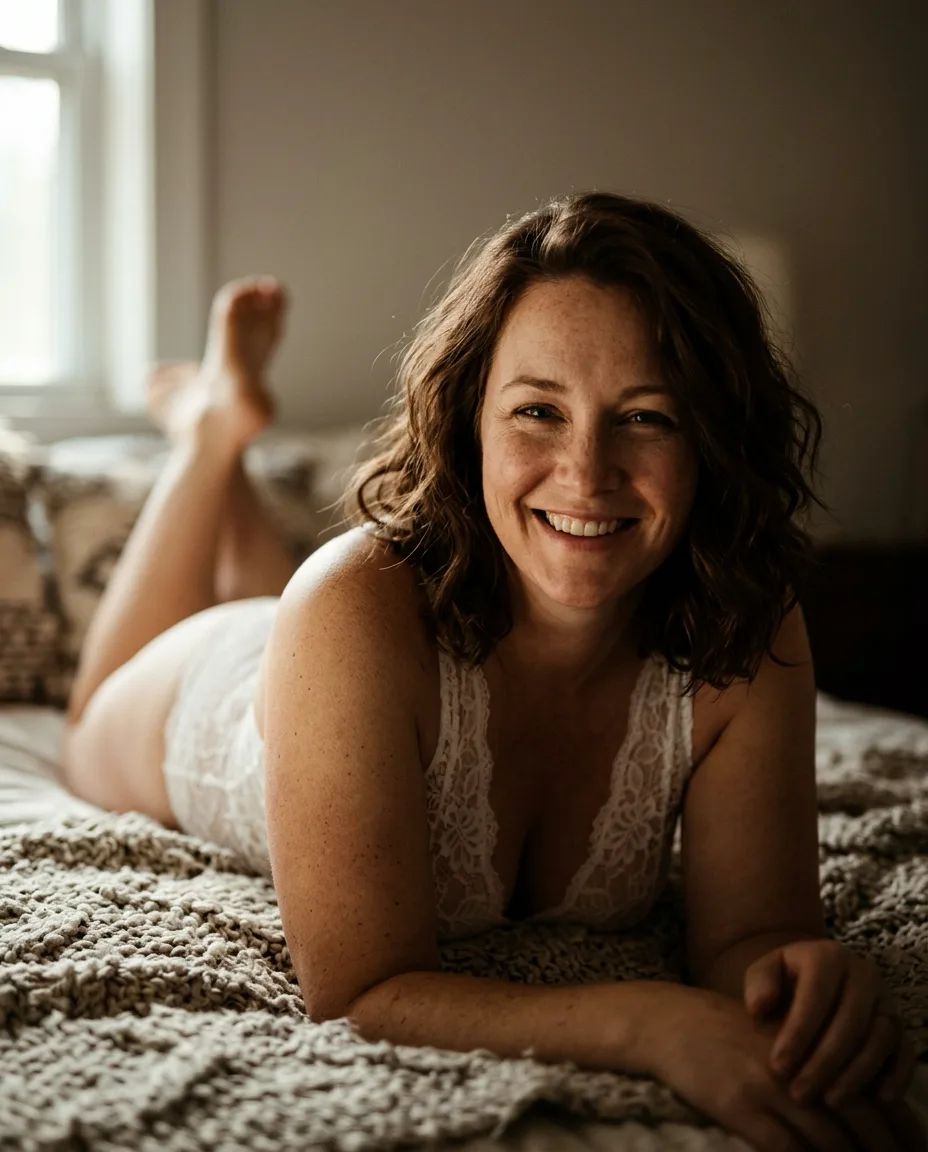
Studio or on location?
Either works, and the concept decides. A studio gives control and consistency, while a location adds a real feel and ties the images to the idea.
- Studio: full control of light, set and privacy.
- Your home: quiet comfort and personal detail.
- Outdoor landscape: open space and natural light.
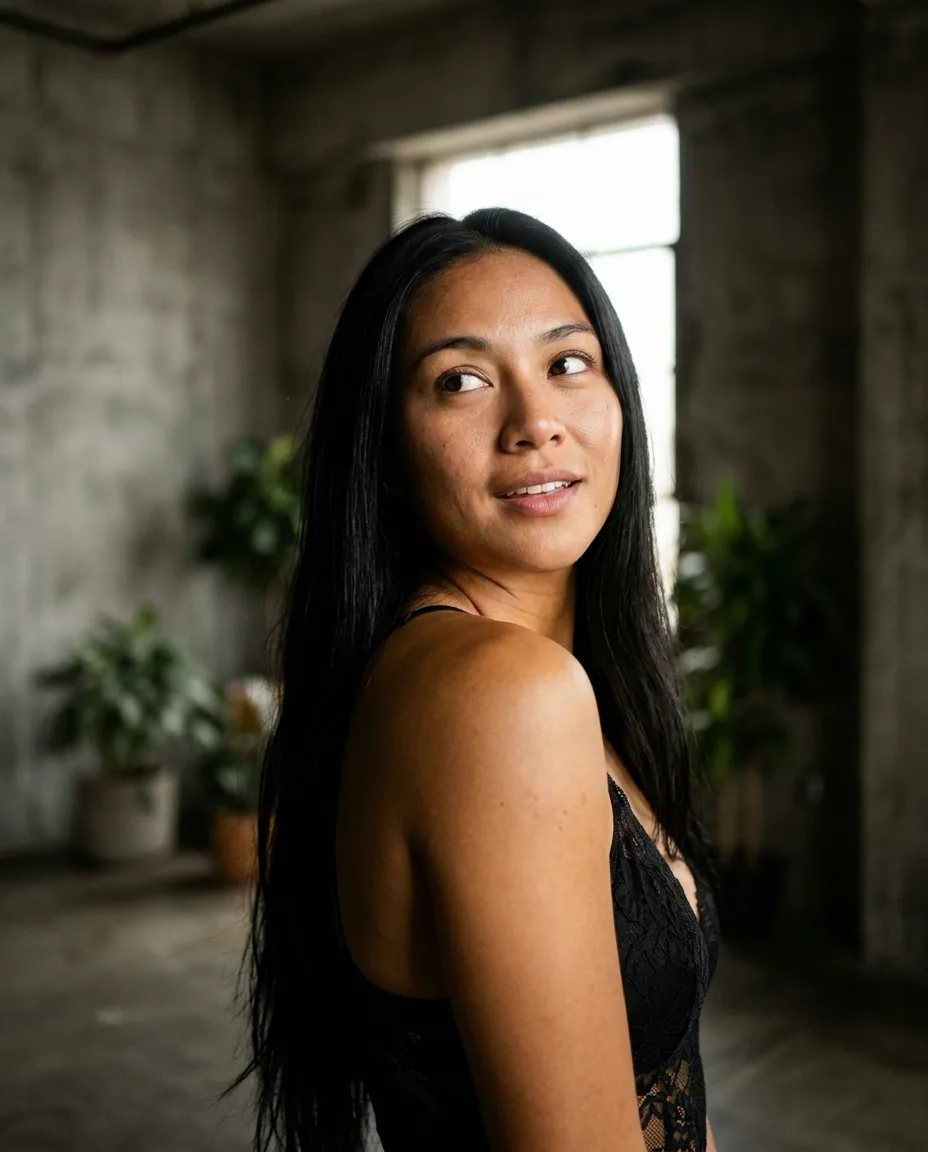
- Abandoned building: drama, texture and contrast.
The place shapes the mood. Color, texture, light and shadow can suggest calm, passion or mystery, so pick a setting that matches the feeling you want.
Outfits and props that carry the story
Wardrobe and props set the tone and show your personality. One meaningful piece, like an old letter or a favorite sweater, can say more than a full costume. Pick what you feel at ease in. For fit and fabric tips, see how to dress for intimate portraits.
Good to know
Prepare your body and mind as well as your outfits. Rest, drink water and leave time to relax or meditate before the shoot.
Is a concept right for you? A quick check
A concept suits you if you want the photos to mark something specific. If you mainly want to feel beautiful and see yourself in a new light, a classic session may serve you just as well. The check below helps you decide.
- Do you have a story, milestone or change you want the photos to mark?
- Is there a mood, era or place you keep coming back to?
- Would a prop, outfit or setting mean something to you?
- Are you happy to spend extra time planning before the shoot?
- Do you want the images to say something beyond “this is me”?
Two or more yeses point to a concept. Mostly no points to a classic boudoir session, which is just as good a choice.
What happens after the session: editing and display
Editing serves the story too. Color grading and the balance of light and shadow are tuned to the concept, while staying true to you and the moment.
Your images are then shared privately, often in an online gallery or an in-person reveal session. Common ways to keep them:
- Prints to frame or keep in a box.
- An album that tells the story in order.
- Large wall art for one key image.
To picture the whole day before you book, read what to expect on the day, step by step.
Conceptual boudoir photography: frequently asked questions
Do you need to be nude for a conceptual boudoir shoot?
No. You decide how much you show, and a concept can be told fully clothed, in lingerie or with fabric and props. The story comes from the idea, the setting and the mood, not from skin. Tell your photographer your limits before the shoot, and know that you can change your mind at any point during the session.
Does a conceptual session cost more than a classic one?
It can, because there is often more planning, more props and sometimes a location to arrange. Sessions range from simple to elaborate, so the price depends on how big the idea is. Ask what is included before you book, and keep the concept small and focused if you want to keep the cost down.
Can you do conceptual boudoir just for yourself?
Yes. A concept works well when the photos are only for you, for example to mark a change, a recovery or a birthday. The images do not need a partner or a special occasion; they need an idea that matters to you. You can keep the whole gallery private and share nothing at all.
How should you prepare for a conceptual boudoir shoot?
Prepare by settling the idea early, then gathering outfits and props that fit it. In the days before, rest well and drink plenty of water. On the morning of the shoot, leave time to relax or meditate. Share any worries with your photographer ahead of time so the plan and the pace suit you.