Conceptual boudoir photography ideas start from a story, not an outfit. You pick a life event, a dream or a trait you want to show, then build the theme, props, setting, light and pose around it. If you prefer shape and mood over plot, abstract boudoir photography works the same way.
What makes boudoir photography ideas conceptual?
Conceptual boudoir photography is a boudoir session built around a story, theme or idea that matters to you, told through setting, props, light and pose. The photos are still about you, but each one is a scene in a larger story. That story can use distinct themes, symbolic props or an abstract idea.
Boudoir used to mean sensual images in a bedroom, with lingerie, made as private keepsakes. Today it is more expressive and personal.
That shift leaves room for choices taken from fine art photography, such as symbolism, shadow and mood. The goal is not only to look beautiful. It is to say something that feels true to you.
Conceptual boudoir photography ideas by theme
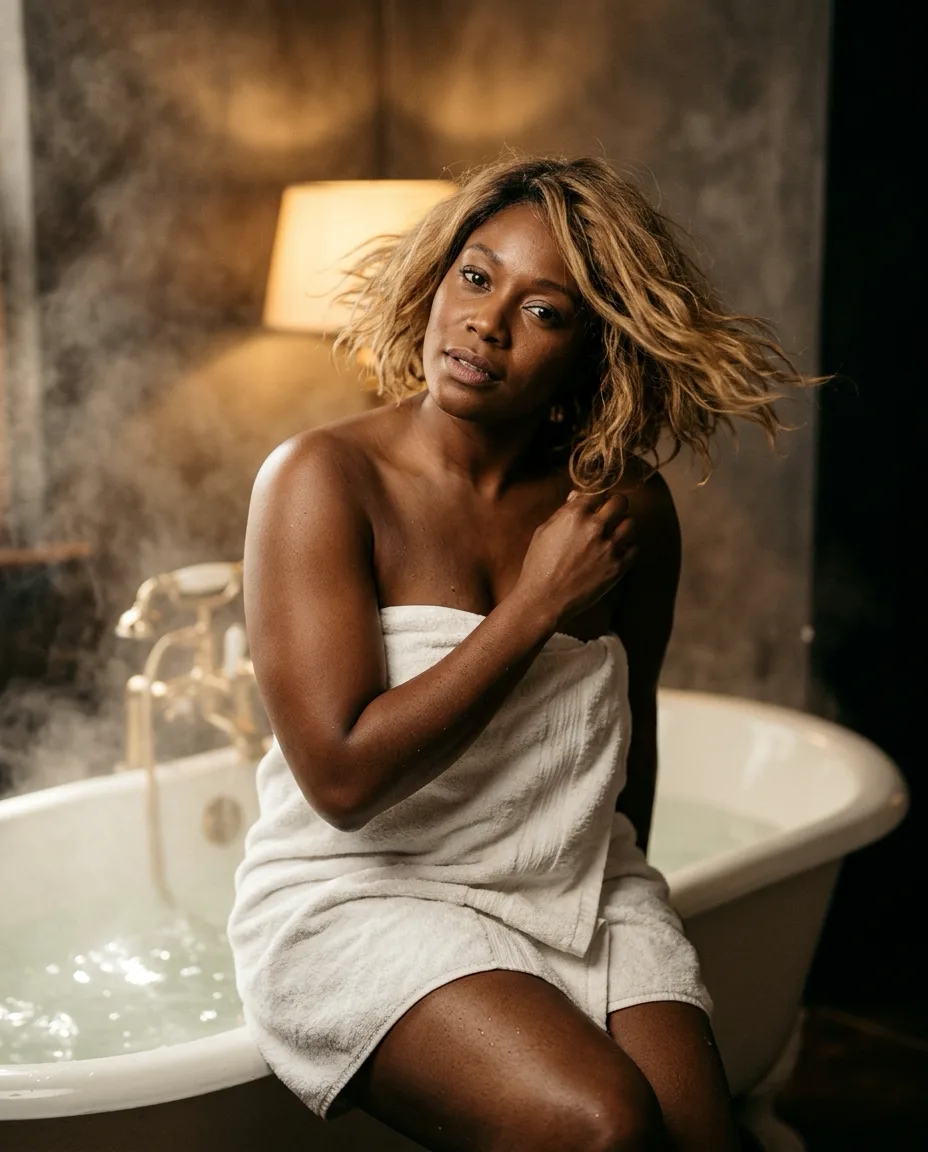
Most concepts grow from one of four themes: growth, empowerment, love or fantasy. The table pairs each one with a setting, props and light. Treat it as a starting point, not a rulebook.
| Idea | Possible setting | Props or wardrobe | Light |
|---|---|---|---|
| Growth or change | A stark industrial space | A simple dress and one symbolic item | Bold and dramatic, with shadows |
| Empowerment and freedom | A lush forest | An unusual accessory | Natural light |
| Love | A cozy nook | An item tied to a person or memory | Soft window light |
| Fantasy | A vintage settee | A dress style from another era | Soft and airy, or a focused studio lamp |
| A life event | A place tied to that memory | An object from that time | Whatever matches the mood of the memory |
A trait can also anchor the whole shoot. Calm, boldness or tenderness all work as a concept on their own.
How to choose a theme for your photoshoot
Start from your own story
Choosing a theme is personal. Pick a concept that fits your own story or fantasy, then let it set the tone for the whole photography session. This short list turns a loose idea into a plan.
- Name the story: a life event, a dream, or a trait you want to embody.
- Pick one word for the mood: growth, empowerment, love or fantasy.
- Choose one or two symbolic props or wardrobe pieces.
- Pick a setting that matches the mood: forest, vintage settee, industrial space, cozy nook, or a place tied to a memory.
- Decide on light: soft for romantic, dramatic for edgy.
- Bring the list to your photographer and agree on the vision before the day.
Shape the concept with your photographer
A strong concept comes from talking it through. We recommend you share your ideas early, so your vision and the photographer’s approach line up. Choose someone you trust, in a space where you feel secure and respected.
Good to know
A small, honest story is enough to build a concept. You can say no to any prop or pose that does not feel right.
Wardrobe, props and a location that tell the story
Wardrobe and props are not just decoration here. They carry the story. Think of a style of dress, a symbolic item or an unusual accessory, and keep only the pieces that mean something.
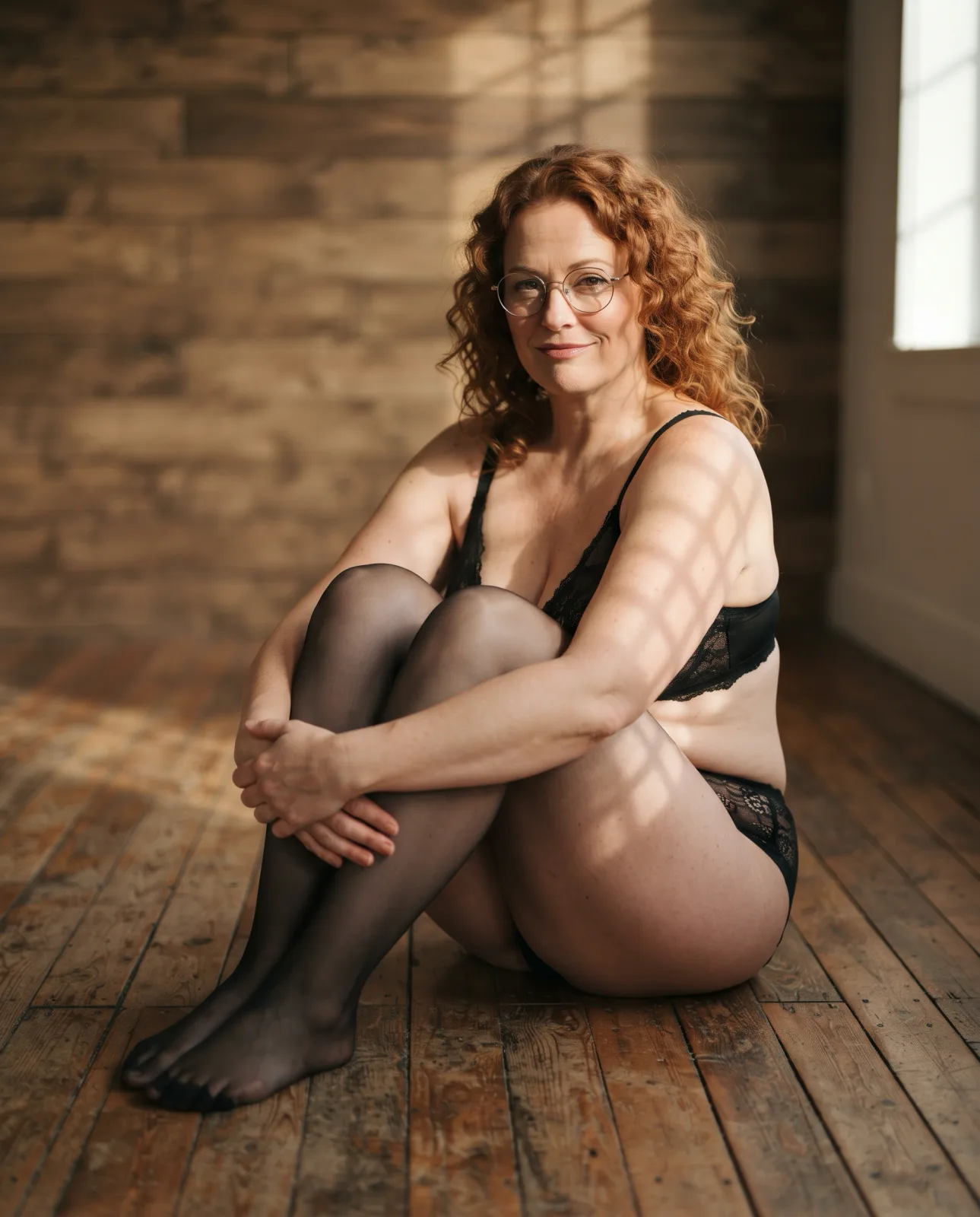
Your boudoir location shapes the mood just as much. Each place says something different:
- A lush forest for freedom
- A vintage settee for old-world elegance
- A stark industrial space for strength or change
- A cozy nook for closeness and reflection
- A place tied to a memory or a hope, for symbolism
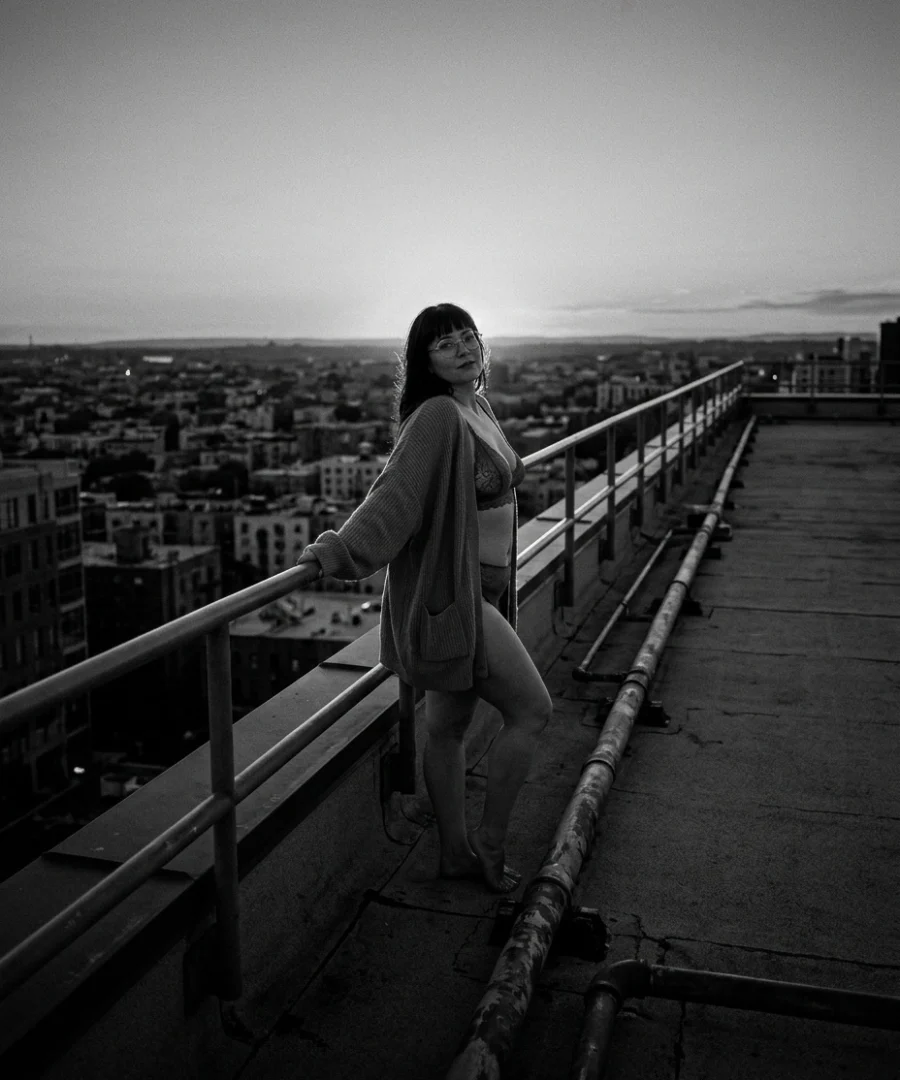
If your theme needs open air, these outdoor boudoir ideas cover settings beyond the studio.
How lighting and poses carry the concept
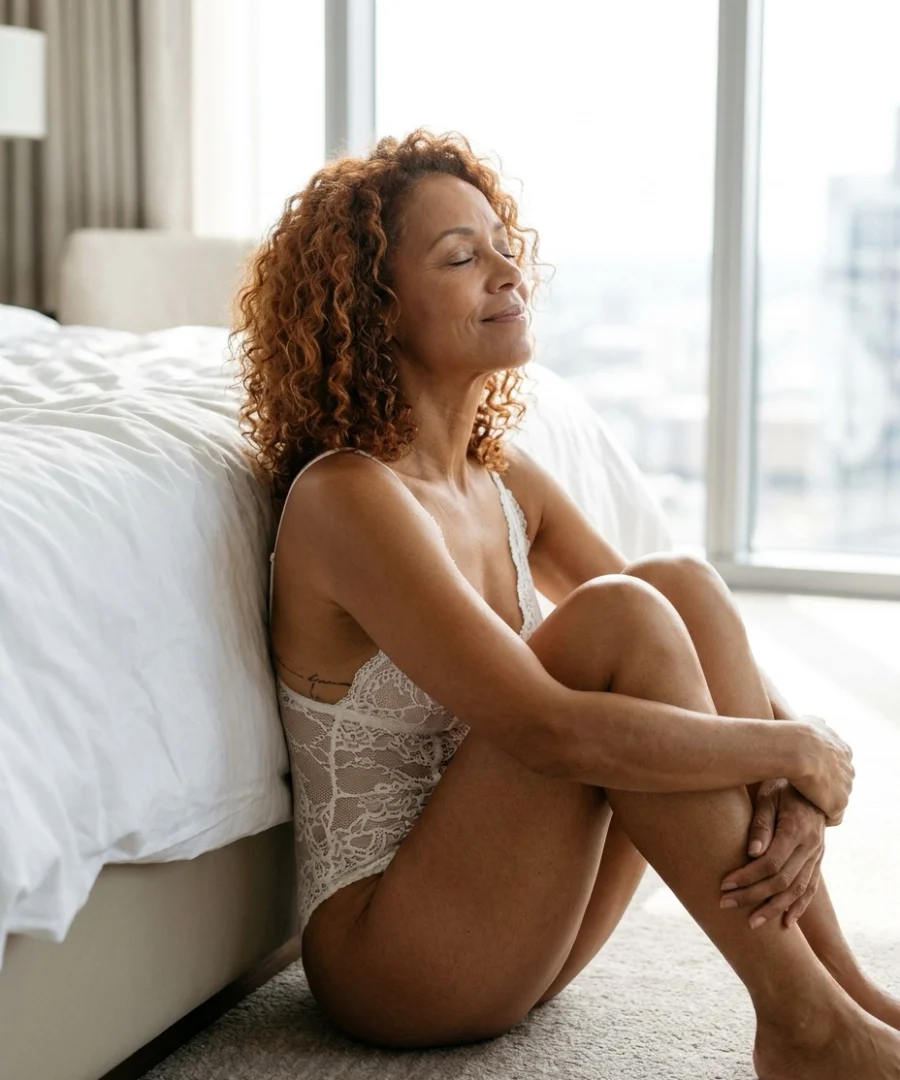
Light sets the mood first. Soft, airy light suits romantic concepts, while bold, dramatic light suits edgier ones. Natural window light feels gentle. A focused studio lamp feels more intense.
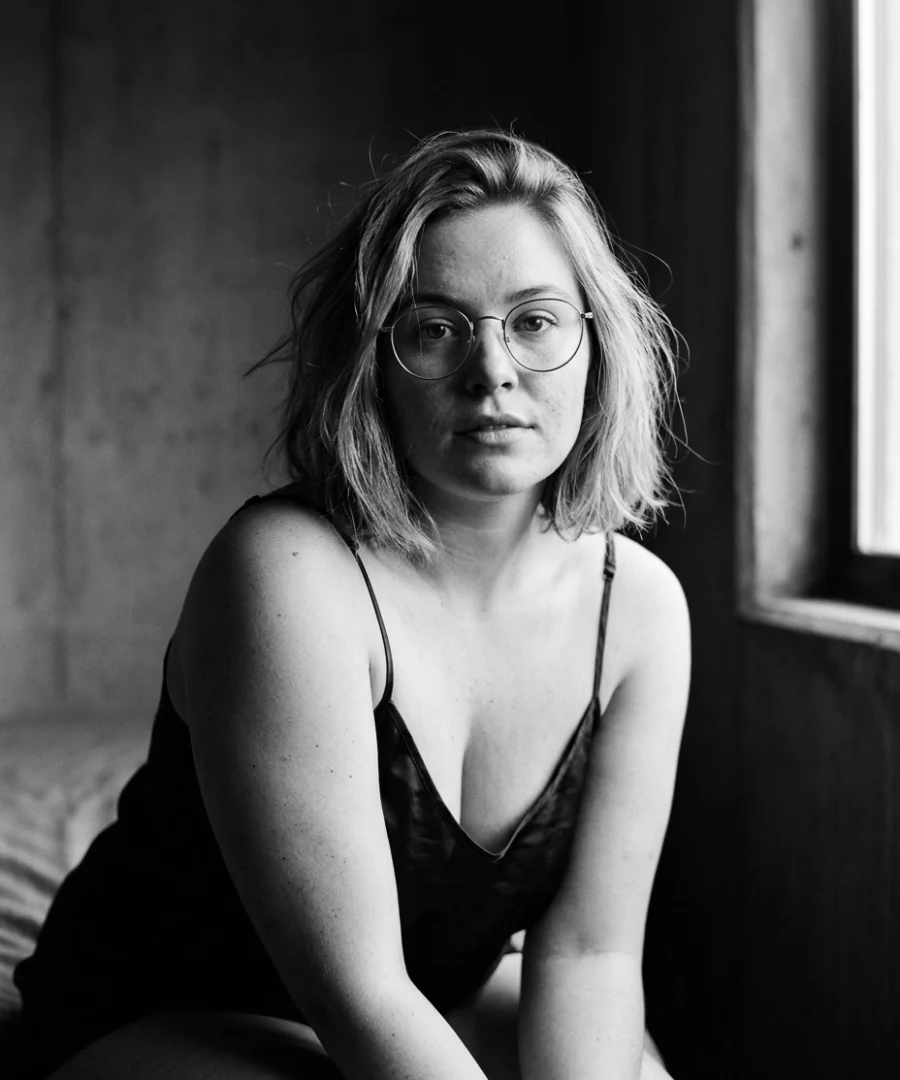
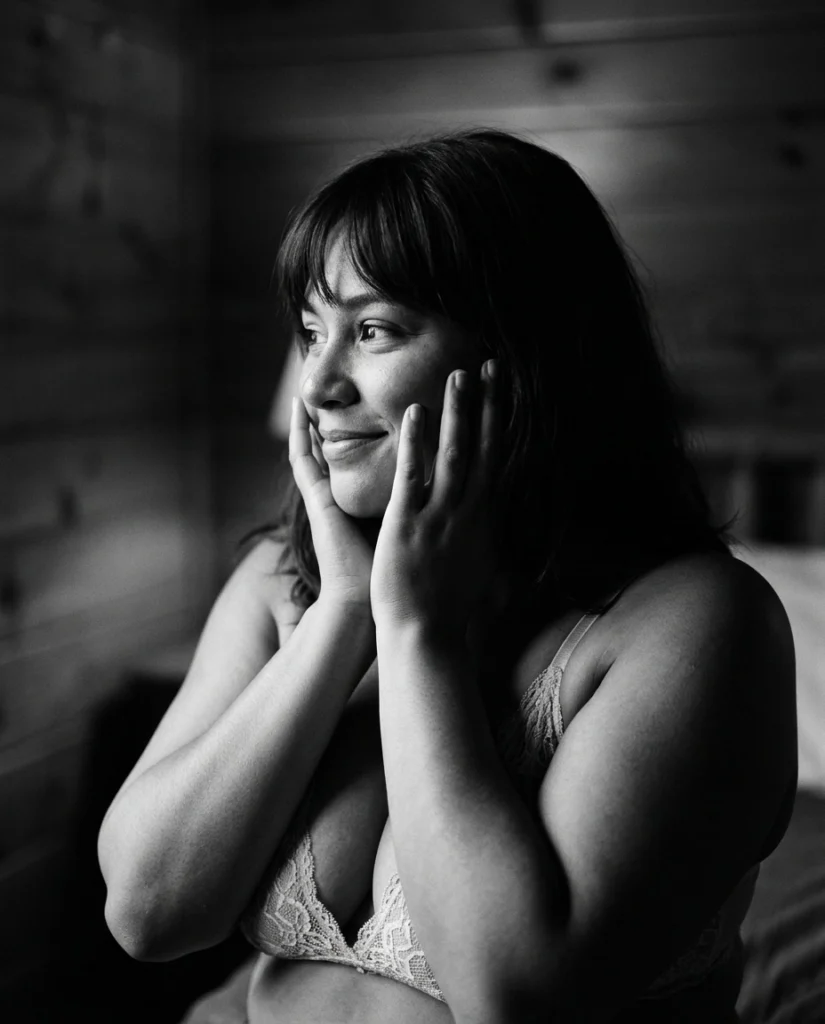
Shadows matter as much as light. They sculpt the body and add mystery, which is why strong contrast works so well in black and white boudoir images.
One of the simplest boudoir photography tips applies to posing: keep it natural. A head tilt, an arched back or a steady gaze can show the emotion of the theme. Your photographer guides you, so you never have to invent poses alone.
A gentle frame and a confident one can belong to the same story. Vulnerability and strength can sit together in one shoot.
What happens after the art photography session?
After the shoot, editing finishes the story. We recommend one rule for retouching: enhance, don’t alter. That means fixing light and color balance or removing a distraction, while you and the concept stay authentic.
Then you choose how to keep the images:
- A fine art print
- A custom album you can hold and page through
- A digital gallery
- A private display at home
Conceptual boudoir photography ideas: frequently asked questions
Do I need a big idea for a conceptual shoot?
No. A small personal story is enough to build a concept. It can be a life event, a dream, or one trait you want to show, such as calm or strength. Your photographer helps turn that seed into a theme, then into props, a setting and light. Keep the idea honest, and let your comfort matter more than its size.
Is conceptual boudoir the same as fine art photography?
Not exactly, though they overlap. Fine art photography is a broad term for images made as personal artistic expression. Conceptual boudoir is a boudoir session where a story or idea drives every choice, from props to light. A conceptual shoot can borrow fine art methods, such as symbolism, shadow and careful framing, while the focus stays on you and your story.
Can a conceptual session happen outdoors or at home?
Yes. The concept decides the place, not the other way around. A forest can suggest freedom, while a cozy nook at home can suggest closeness and reflection. A place tied to a memory adds symbolism. Talk with your photographer about privacy, comfort and light before you pick any location, so you feel safe and relaxed on the day.
What should I bring to plan my concept with the photographer?
Bring your story and a short list. Note the life event, dream or trait behind your idea, one mood word, and one or two props or wardrobe pieces. Add the setting you picture and whether you want soft or dramatic light. Share any limits too, so the plan respects your comfort from the very start.