Disclosure: some links in this article are affiliate links. If you buy through them, we may earn a small commission at no extra cost to you.
A guide to boudoir photography in the abstract style comes down to one choice: how much of your body shows. You can stay mostly in shadow or blur, and you plan the look with your photographer. For the basics of the genre, start with our wider boudoir photography guide.
What is abstract boudoir photography?
Abstract boudoir photography is an artistic style that uses light, shadow, texture and shape to show a curve, an outline or a close detail of your body. It creates a sense of mystery and leaves the rest to the viewer’s imagination. The style draws on abstract art, which began in the early 20th century and evokes feelings and ideas through non-literal images.
Look for these elements in abstract and other artistic boudoir photography:
- Ambiguity: the image suggests more than it shows.
- Unusual perspectives: angles you rarely see in a portrait.
- Close details: one small area fills the frame.
- Blur: soft edges hint at a shape.
- Silhouette: the curve of your outline becomes the subject.
- Contrasting textures: soft fabric against a rough wall, for example.
Abstract vs traditional boudoir photography
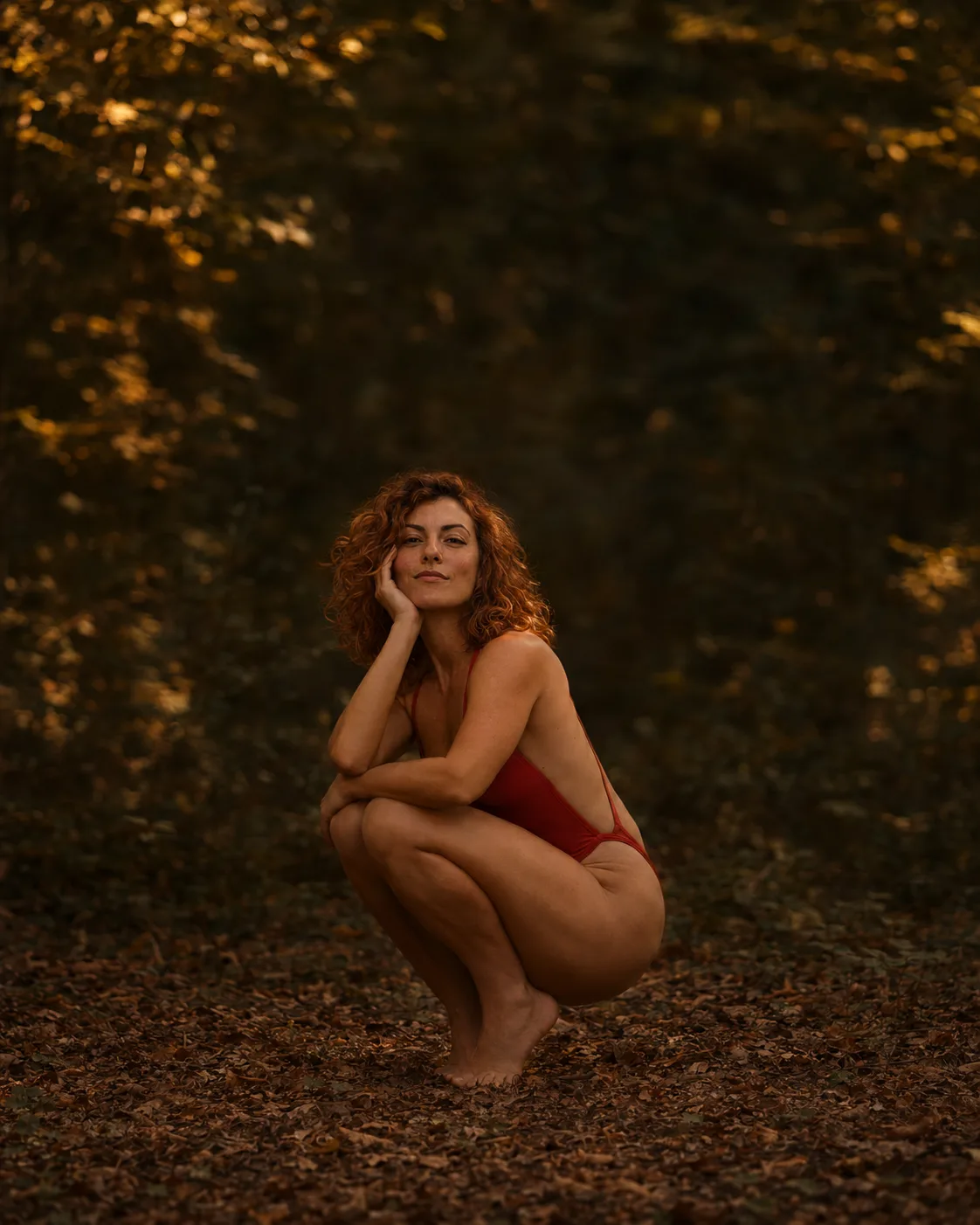
The main difference is what you see. In traditional boudoir, you are clearly recognizable and your body is in full view. In abstract work, you see parts, outlines and blur.
| Aspect | Abstract | Traditional |
|---|---|---|
| Intention | Evoke a feeling or idea | Show you and your body clearly |
| What the image shows | Parts of the body, outlines and blur | You, clearly recognizable, with your body in full view |
| Use of light | Builds shadow and shape | Keeps your body clear to see |
| What the viewer feels | Curiosity about what is out of view | Intimacy and sensuality |
Neither style is better. To decide, ask yourself how much of your body you want to show. If you want to see yourself clearly, a simple bedroom session is an easy place to begin. If you want to stay partly covered or in shadow, abstract work gives you that room.
How do you prepare for an abstract photoshoot?
Prepare by choosing a photographer with abstract experience and agreeing on one clear idea for the images. Review each portfolio closely, then share your vision, since it guides the whole shoot.
Work through these boudoir photography tips in order:
- Pick one emotion or theme, such as strength or mystery.
- Check that the photographer’s portfolio shows abstract work.
- Share your theme with them before the shoot.
- Choose a venue for its texture, light and architecture.
- Choose one fabric or prop that shapes the image.
- Agree where any images may be shared.
A prop or pose can stand for your theme, so plan those together. A mirror, for example, can carry the idea of seeing yourself in a new light.
A studio is not your only option, and at-home boudoir photos can work too if the room has interesting light and texture.
In the days before, rest well, drink water and do something that helps you relax, such as taking a warm bath.
Feeling exposed is normal. Before the shoot, tell your photographer what you want to keep covered. Shadow, fabric or a tight crop can all do that. If you feel nervous on the day, say so and ask for a pause.
What to wear for an abstract session
Deciding what to wear for abstract boudoir starts with the shape each piece makes. Each piece should add to the mood of the image and suit your theme.
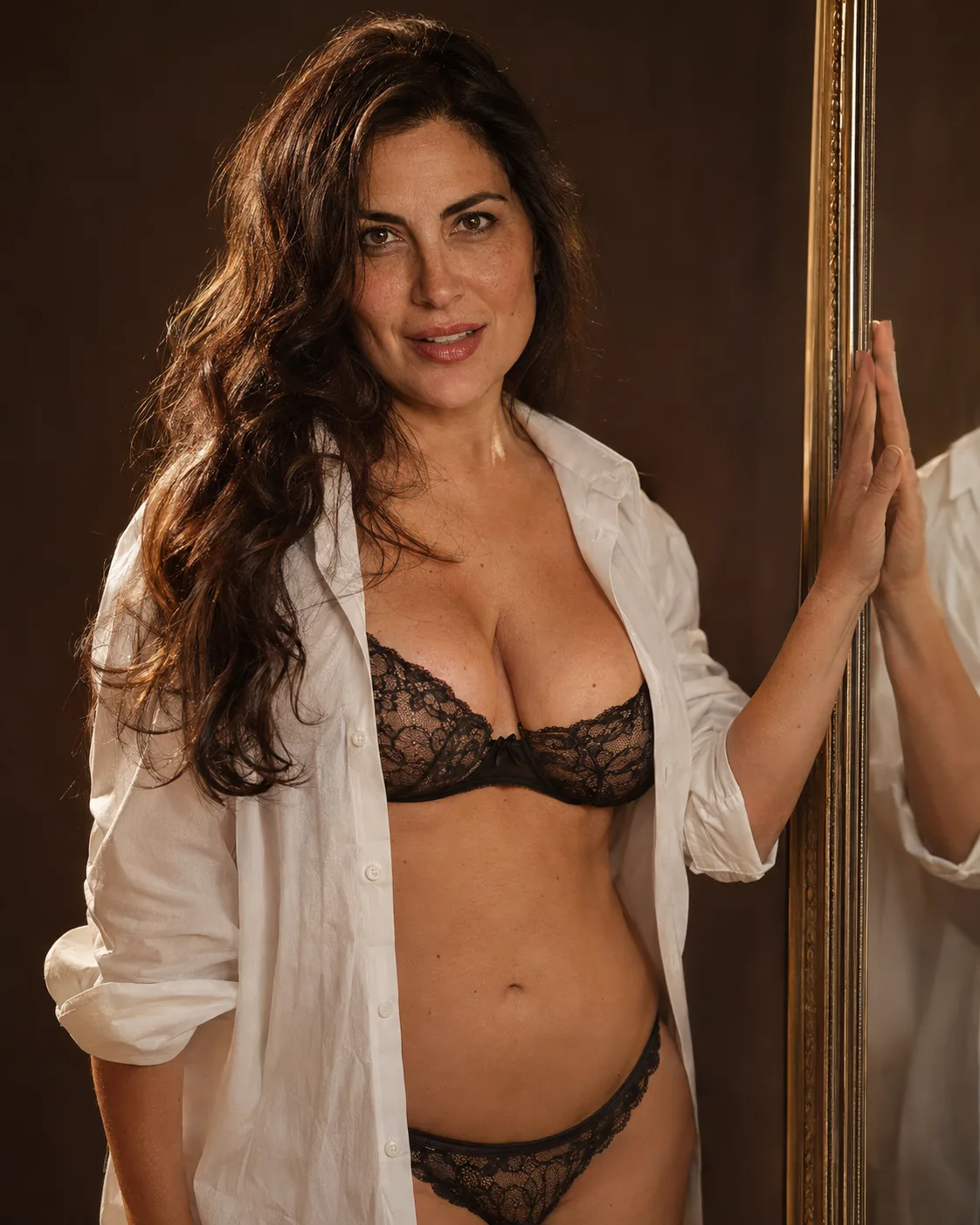
Good options include:
- Flowing fabrics that move and catch the light
- Interesting textures that stand out in shadow
- Strategic cutouts that make new shapes
- A single accessory or piece of fabric, which can have the most impact
Props can act as part of your wardrobe: sheer fabrics, mirrors and flowers all add texture. Ask how each piece will look against the background and under the light.
A small rule
Wear only what feels good on you. You can change your mind about any piece on the day.
Light, shadow and posing for abstract images
Light and pose do most of the work here, and you only need to know what to ask for.
Light and backgrounds that shape the mood
Ask your photographer which light fits your theme:
- Soft, diffused light feels gentle and mysterious.
- Harsher light casts dramatic shadows.
- Colored light makes the scene feel less real.
Look for backdrops with a distinct texture or color that contrast with your silhouette or blend into it. Even a simple one works when lit with care.
Boudoir posing guide: lines and shapes
Abstract boudoir poses take traditional poses apart to stress lines, shapes and movement. Start with positions that feel natural, then notice the silhouette they make.
Tie each pose to your theme, so your body language carries the feeling. Talk openly with your photographer, and say no to anything that feels wrong.
Camera choices to ask about
Your photographer makes these decisions, but the terms help you ask about them:
- Wide-aperture prime lens: blurs the background
- Macro lens: captures small details up close
- Slow shutter: adds motion blur
- Overhead shots, tight crops and wide angles: give an unusual view
Editing, story and sharing after the shoot
Editing can push the abstract look further, and you get a say in it. Ask to see the edits before anything is final. Speak up if an image shows more than you agreed or does not feel like you.
Warm color tones tend to feel nostalgic, and cool tones more mysterious. You can ask for either one, add grain or a vignette (darker edges), or refuse any effect you dislike.
Ask about the order of your images too, since a sequence can build a feeling from one photo to the next.
The session is a way to express yourself and see yourself in a new light. Letting yourself be vulnerable can be a route to confidence, but no shoot can promise it.
Good to know
Sharing is optional. Whether images stay private or go on social media, the choice stays with you.
Guide to boudoir photography: frequently asked questions
Is abstract boudoir photography good for a first shoot?
Yes, it can suit a first shoot, especially if you feel shy about showing skin. The style relies on shadow, blur and close details, so you can show very little. Tell your photographer what you want to keep covered before the day.
Do I need posing experience for abstract images?
No, you do not need any posing experience. Abstract poses start from positions that feel natural, then focus on lines, shapes and movement. Your photographer can suggest ideas you might not think of, and you are free to try them or say no.
Who decides where my abstract boudoir photos are shared?
You do, because sharing is optional and the choice stays with you. Before the shoot, tell your photographer whether your images may appear anywhere, such as social media or a portfolio. We recommend agreeing on this early, so nobody has to guess later.