Disclosure: some links in this article are affiliate links. If you buy through them, we may earn a small commission at no extra cost to you.
Intimate portraits are private, tasteful photos that celebrate your beauty and confidence on your own terms. You stay in control: you agree your limits first, pick what you wear, and decide who sees the images. Our full guide to boudoir photography goes deeper.
What is boudoir photography?
Boudoir photography is a style of personal portrait that celebrates your beauty and confidence in a private, tasteful setting. The word comes from a French term for a woman’s private room or bedroom, and that sense of privacy still shapes the work. An intimate portrait also follows this idea, under a softer name.
You do not need a special reason or a certain body to book. People choose a session to:
- mark a milestone
- celebrate a victory
- do something simply for themselves
- record a new chapter of life, sometimes with a repeat session
The session can help you see yourself in a new way, but no photographer can promise how you will feel. What you can expect is a process built around your comfort and your choices.
How to prepare for a boudoir shoot
Getting ready for an intimate portrait session comes down to two jobs: a clear talk with your photographer, and clothes you feel good in.
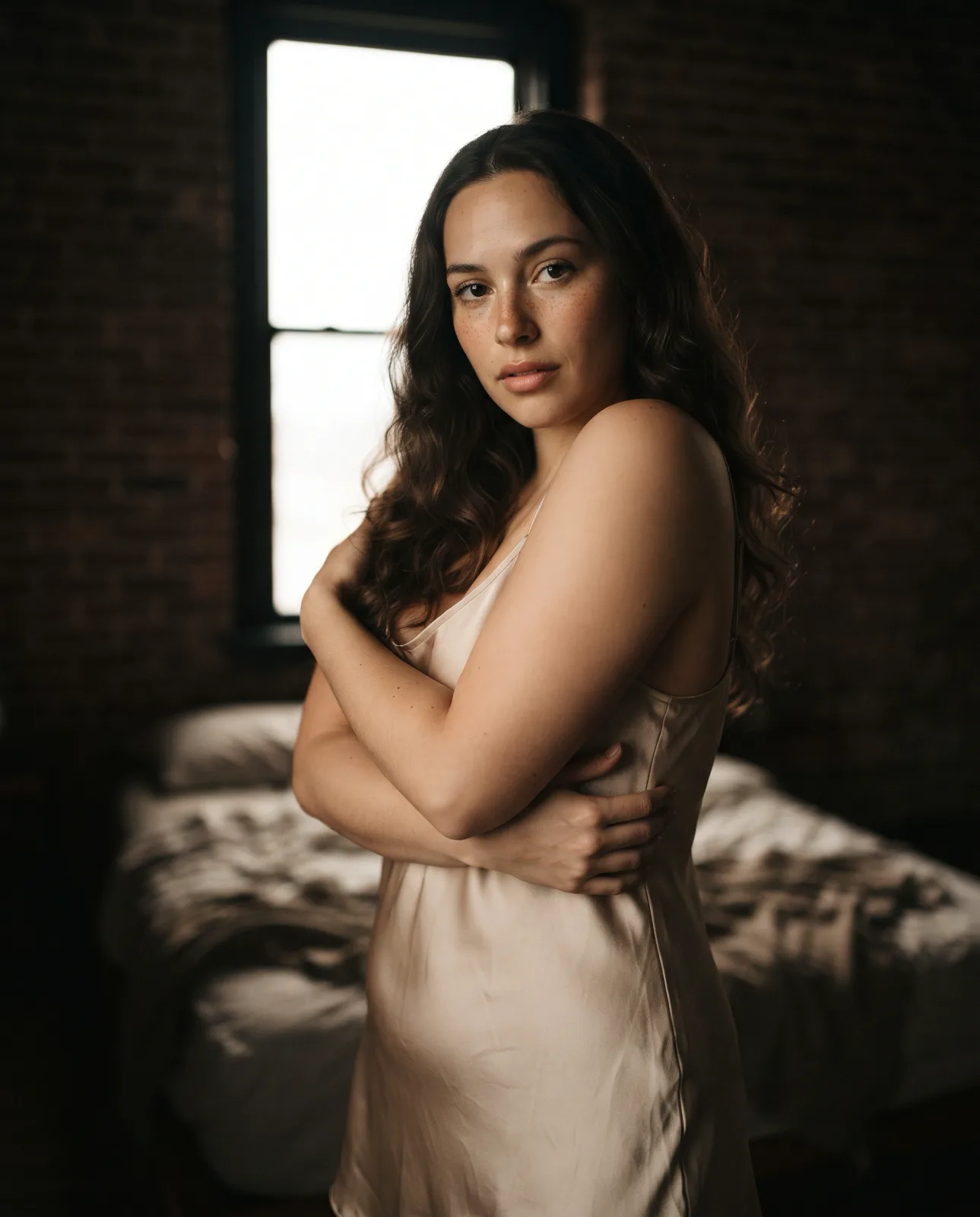
Start with a consultation
A consultation comes first. Use it to cover your vision, themes, expectations and comfort levels, so you both agree on the plan before the day arrives.
This is also where the session becomes yours. Mood, props and backdrops can all be chosen to suit you.
Ask about the room too. It should be private and warm, with soft lighting and rich fabrics, and you should have time to settle in without being rushed. You can also read about what a luxury boudoir session offers.
What to wear for intimate portraits
Bring what makes you feel confident, not what you think a boudoir photo requires. Good options include:
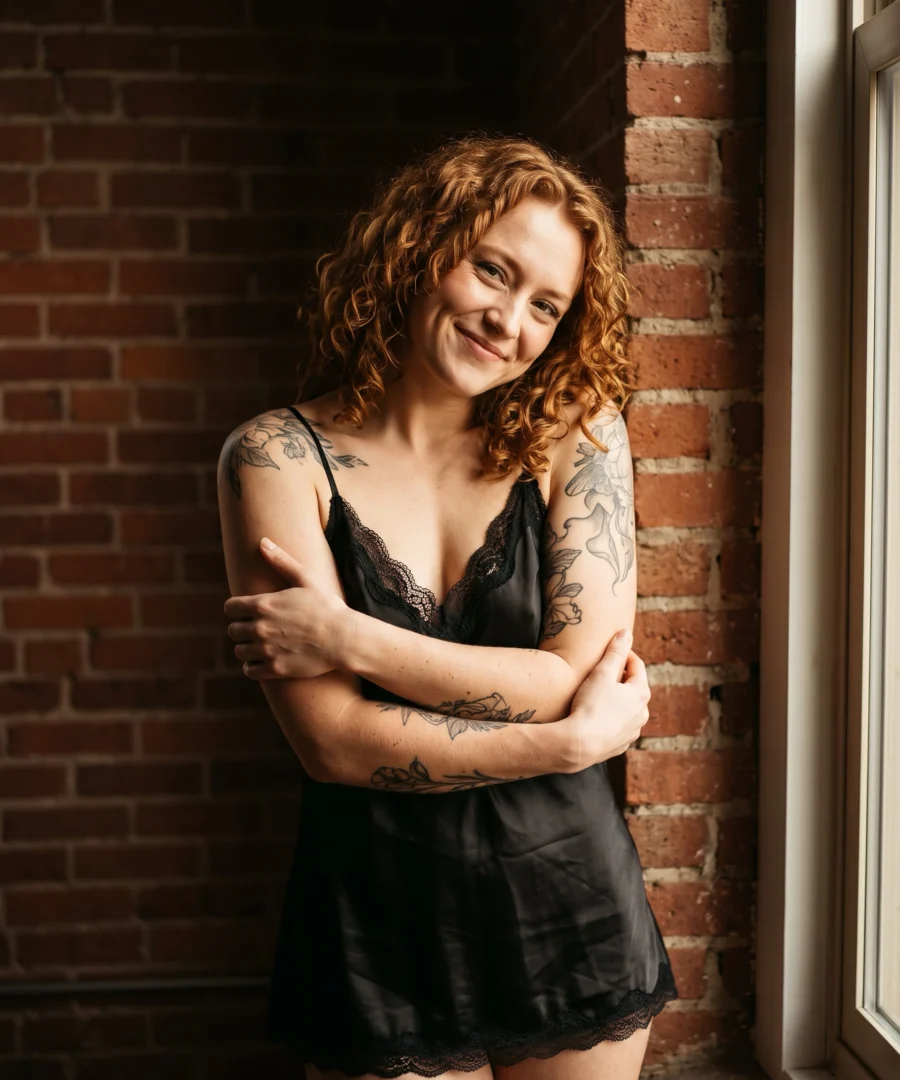
- luxurious lingerie, if that feels like you
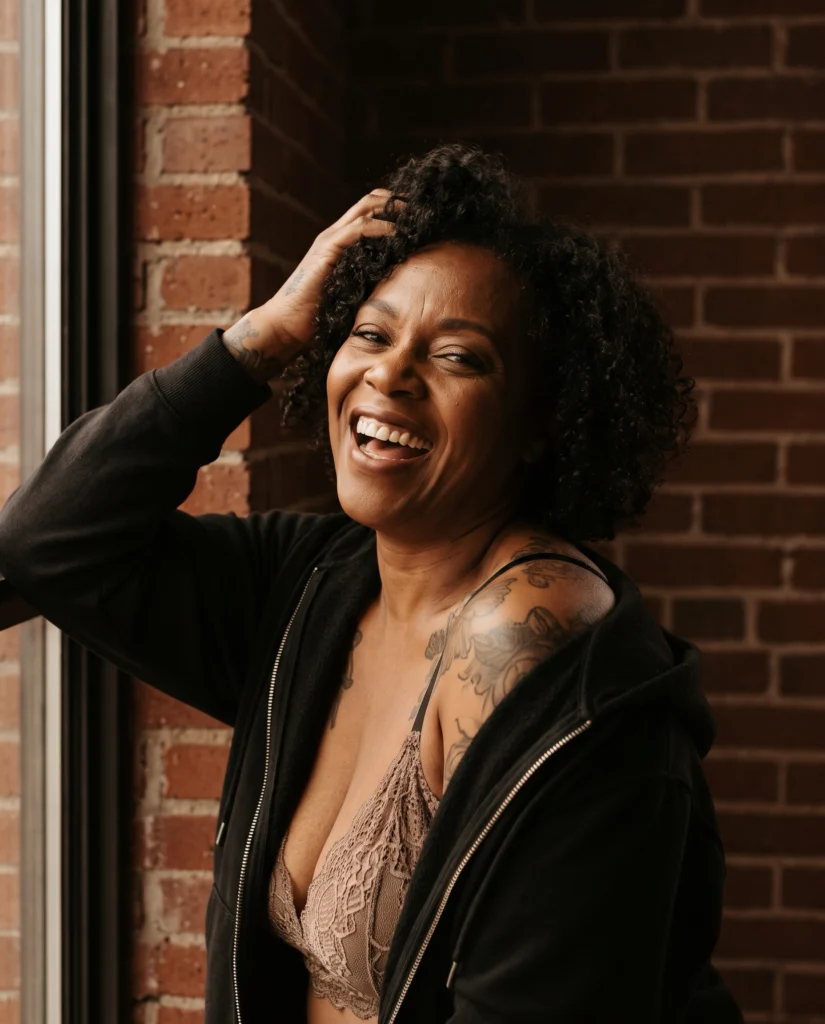
- a beloved shirt, worn your way
- props and accessories that suit your mood
Show only as much skin as you are comfortable with. For more ideas, see our notes on dressing for your portrait session.
Boudoir poses for every body type
You do not need to know how to pose. Your photographer should guide you into positions that look natural and feel right, then fine-tune them shot by shot.
The same pose looks different on everyone, so poses should be adapted to your body, not copied from a photo. If something feels awkward or hurts, say so.
Movement and real emotion
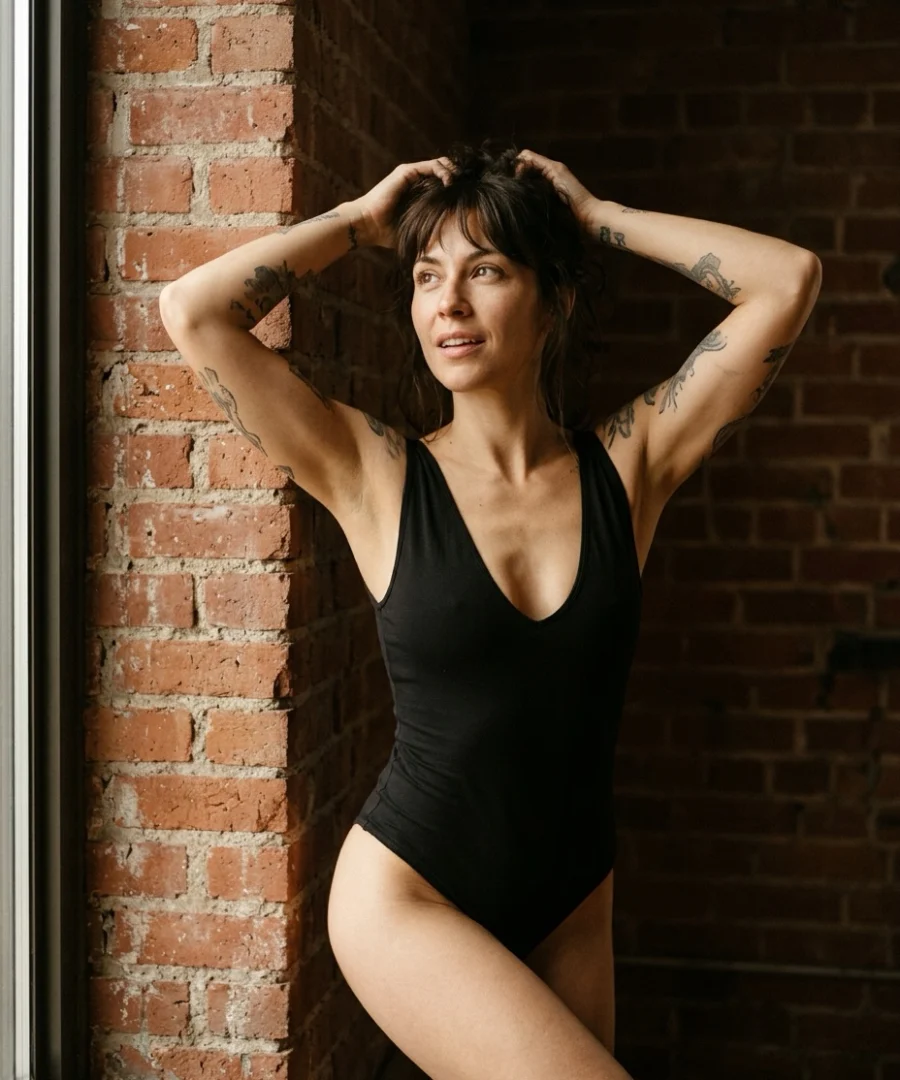
Small actions can bring a still photo to life. Try the play of your hands or a sweep of your hair.
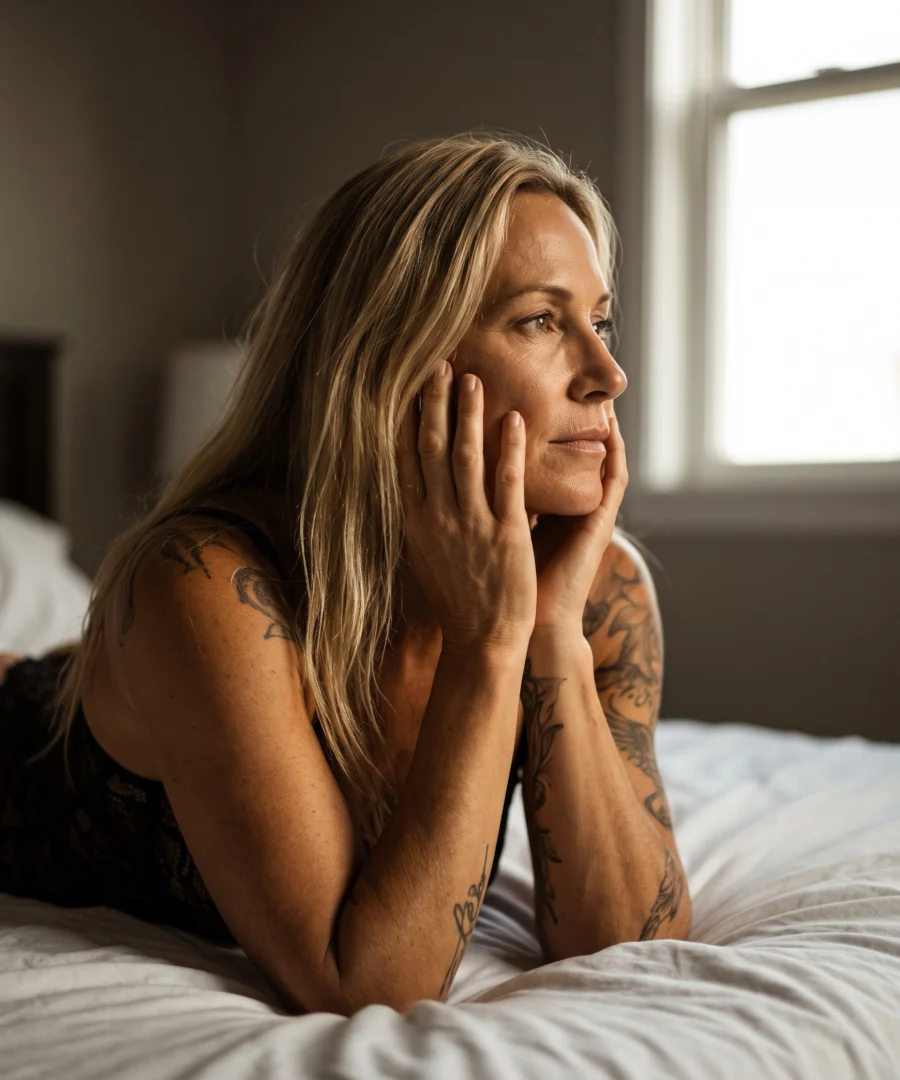
Feelings count as well. Laughter, quiet thought, joy and sometimes tears can all end up in your gallery, and those frames may say the most about you.
Good to know
Nerves in the first few frames are normal, and they can ease as the session goes on. You can ask for a pause at any point.
How lighting and editing shape your photos
Lighting shapes how your body reads in a photo. A photographer may mix natural light with studio gear, then choose angles based on how that light falls on you.
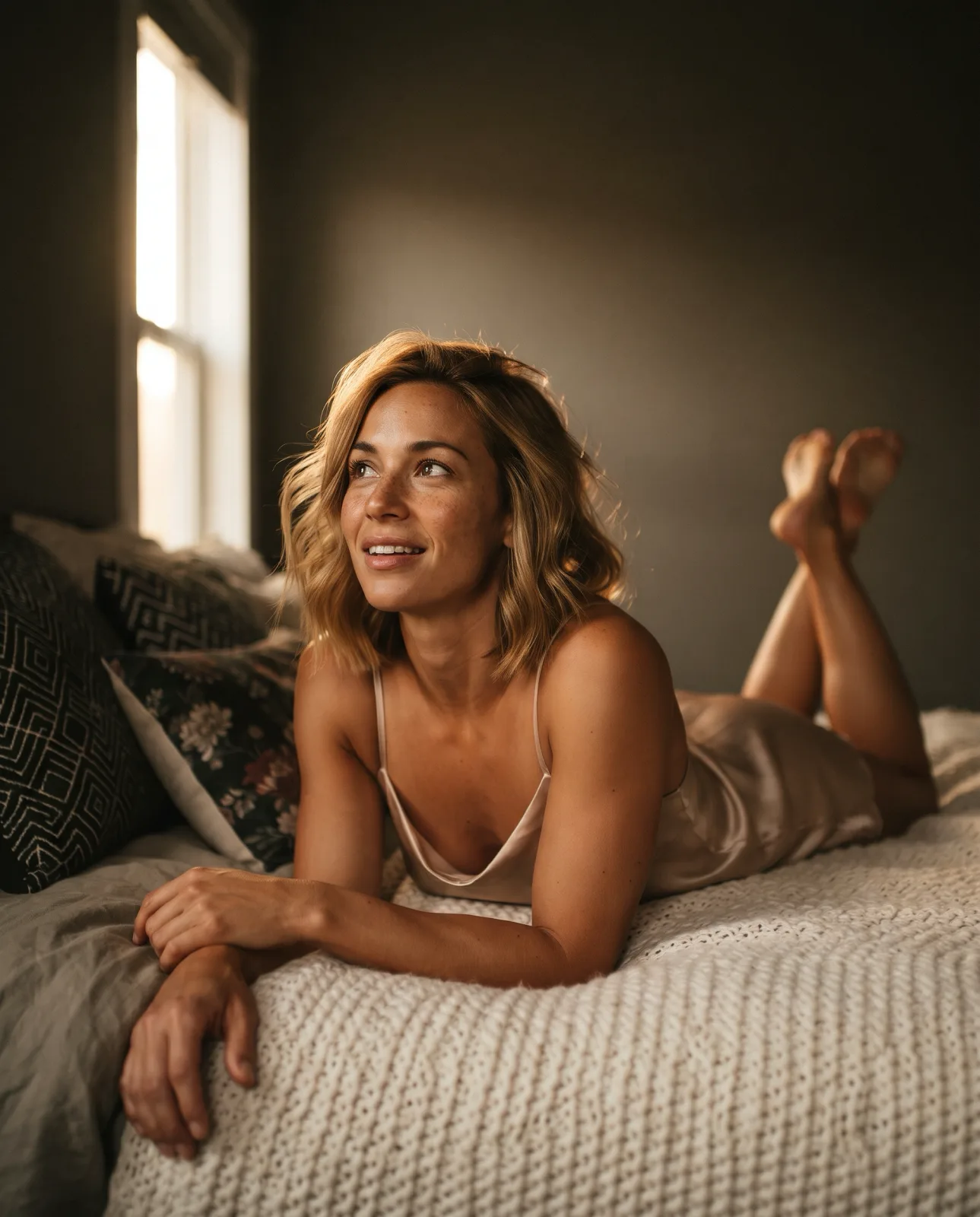
Lens choice matters too. The right lens gives a flattering perspective, with a soft, blurred background and you in sharp focus. You do not need to know the settings, only to like the look of their past work.
Editing is where you should ask the most direct questions. Ethical editing keeps you looking like you, and this table shows where the line sits:
| Fine to expect | A reason to ask more |
|---|---|
| Adjusting the lighting | Excessive airbrushing |
| A soft touch on the skin | Changing your body shape |
| Bringing out colors | Anything that distorts the reality of the photo |
Your final gallery is then chosen from the full session. Images should be picked for how well they show your personality and reflect who you are.
Who sees your photos, and how does consent work?
Only the people you approve should see your photos, and consent stays in your hands throughout. Boudoir photo privacy covers both your images and your conversations. Any use in a portfolio or in marketing needs your explicit permission. Limits should be agreed before the shoot and upheld all the way through it.
You can also learn a lot from how a photographer advertises. Respectful, elegant marketing is a good sign when you compare options.
Questions to ask before you book
Use this checklist when you contact a photographer:
- Will we have a consultation first?
- Can I set my limits before the shoot, and change them during it?
- Who will be in the room, and is the space private?
- How much editing do you do, and do you ever change body shape?
- How is the final gallery chosen?
- Will my images appear in a portfolio or marketing only with my explicit permission?
We recommend one simple rule: if a photographer will not answer these clearly, keep looking.
Intimate portraits: frequently asked questions
Is an intimate portrait the same as a boudoir photo?
Yes, in most cases the two terms mean the same thing. Both describe private, tasteful portraits that celebrate your beauty and confidence. Names vary between photographers, so look at their past work and ask about their style during the consultation. The label matters less than the mood.
Do I have to wear lingerie?
No, lingerie is only one option. You can wear a beloved shirt or any piece that makes you feel confident, then add props or accessories to suit the mood. Talk through your choices at the consultation, and show only as much skin as you are comfortable with.
Will my photographer use my photos for marketing?
Not without your explicit permission, if they follow good privacy practice. Use in a portfolio or in marketing should always be your choice, and you can say no. Ask about this before you book, and expect a clear answer about where your images may appear.
What if I feel nervous during the session?
Feeling nervous is normal, especially at the start, and you can ask for a pause at any time. A good session gives you the time and space to feel at ease, with no rush or pressure. Your photographer should guide each pose, and nerves can fade as you settle in.