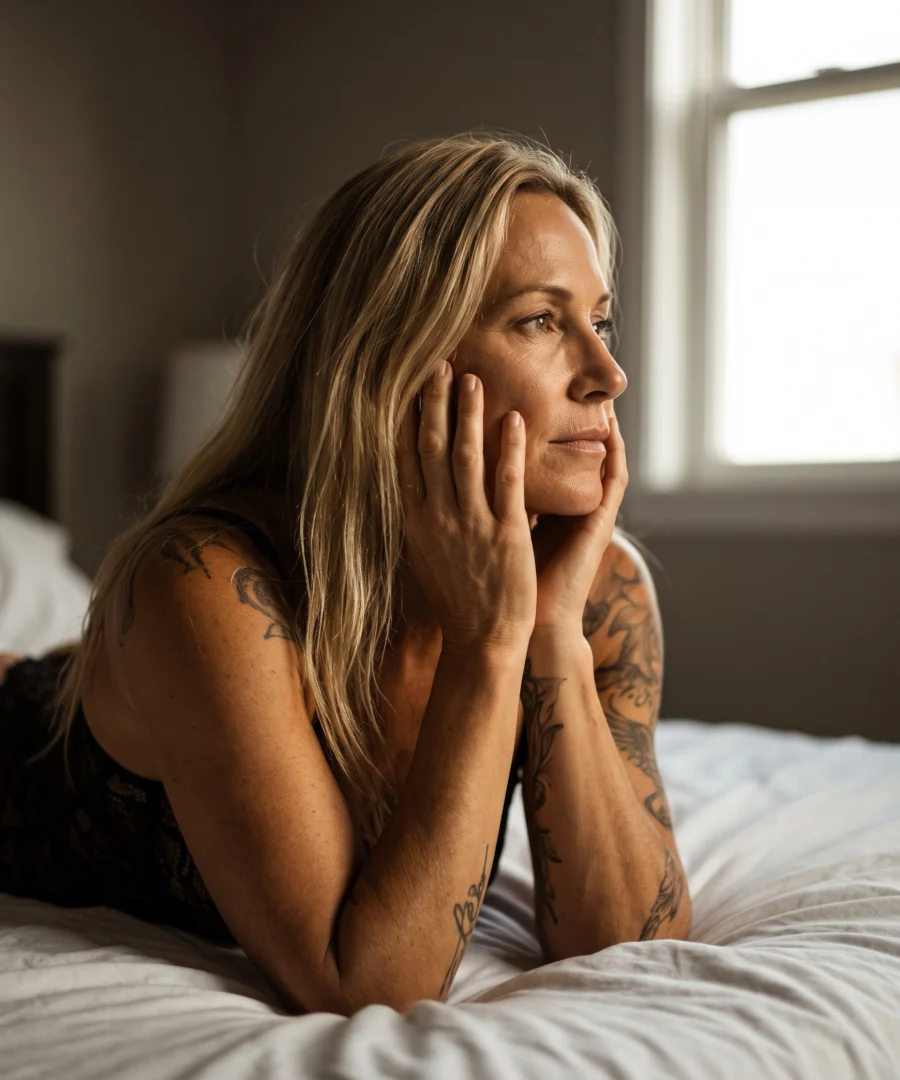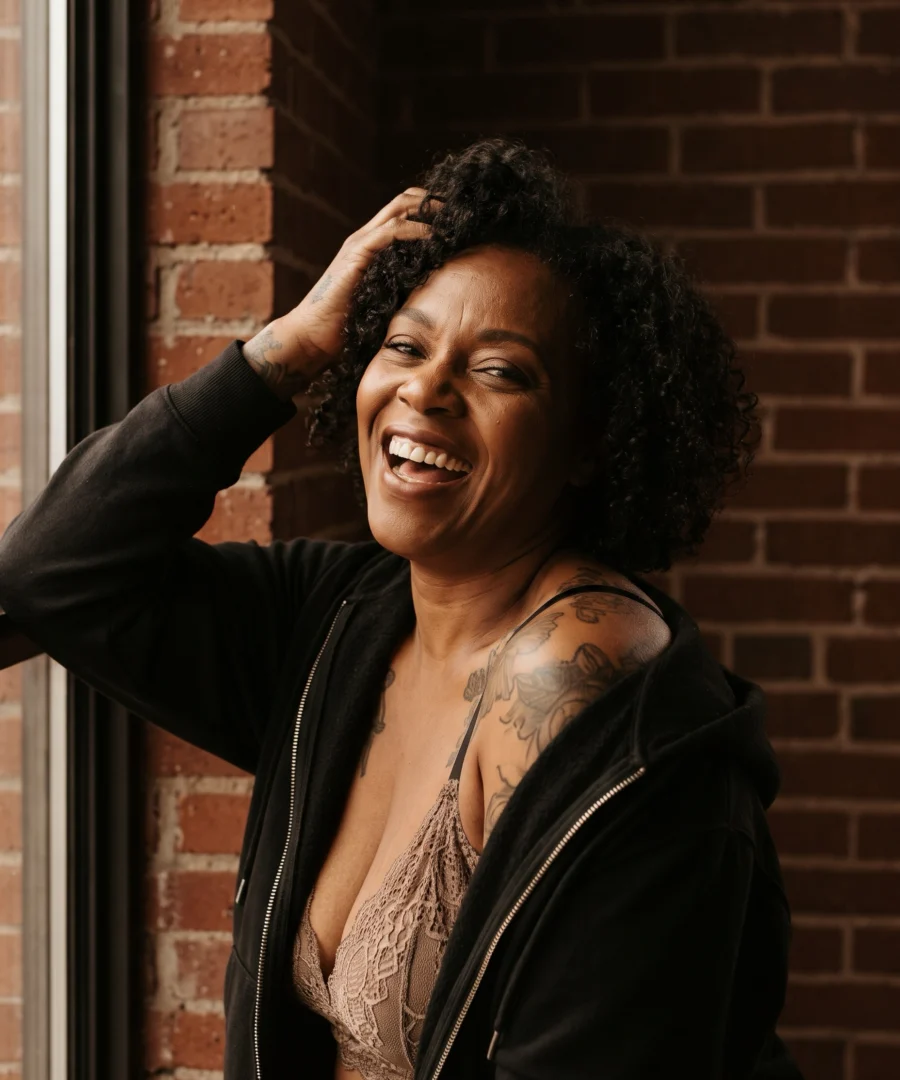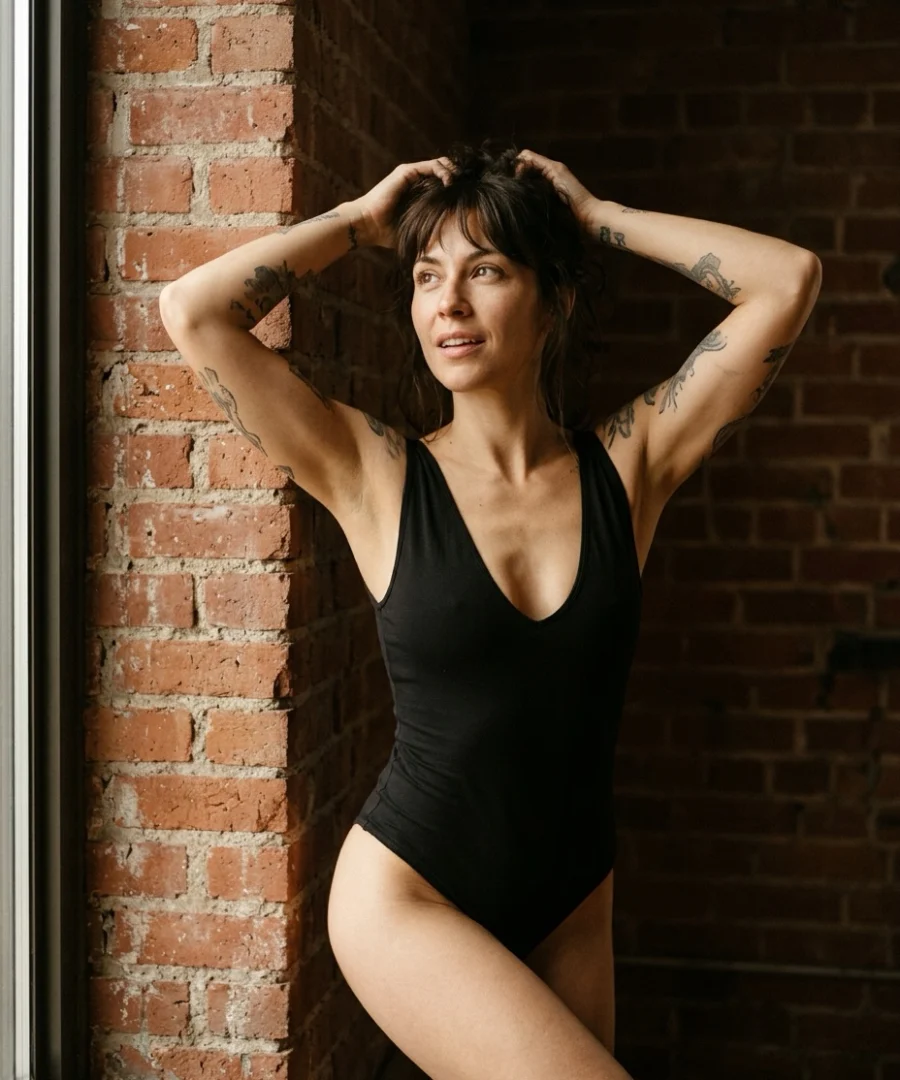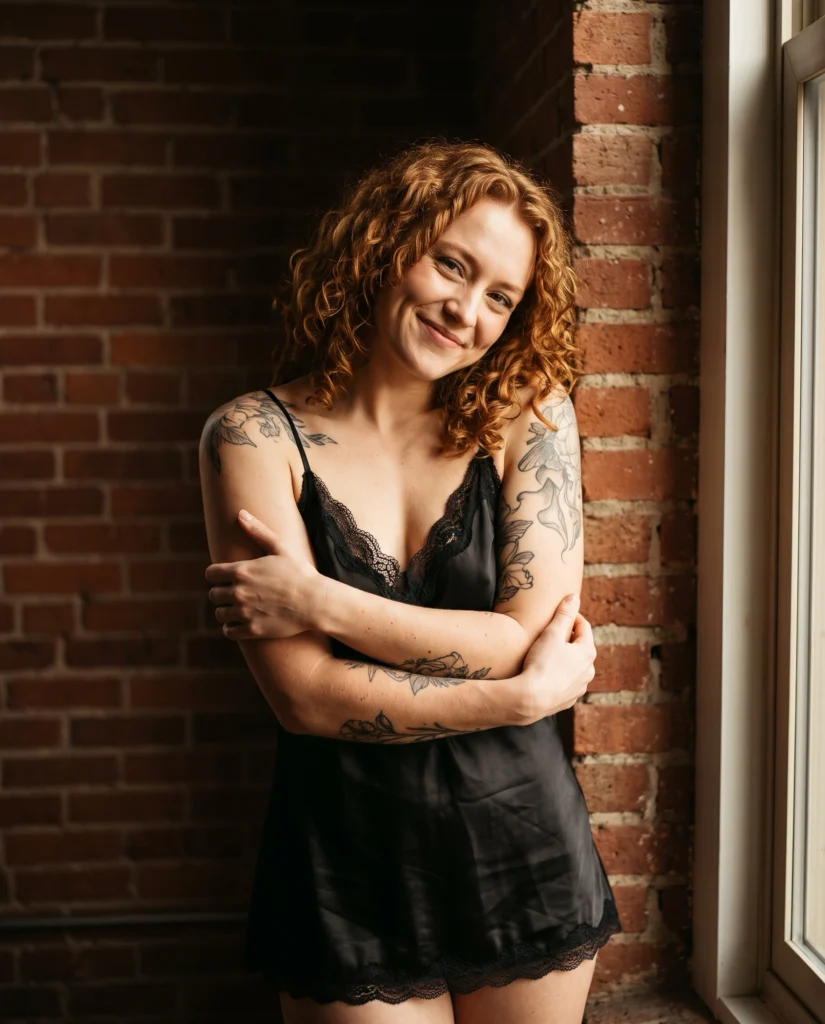
Intimate portraits are private photos that show you as you are, at a pace you set. They are the heart of boudoir photography, and they suit any body. You decide what to wear, how much to show and who sees the images.
What is boudoir photography?
Boudoir photography is an intimate form of portrait photography that shows a person in a romantic or sensual way. An intimate portrait is made for you, not for a magazine or a beauty standard. The goal is a picture that feels true to you and your story.
The style is traced to the 1920s and 1930s, when women had private photos made, often as gifts for partners. Over time it also became a form of personal expression. Today you can do it for a partner or just for yourself.
Some people assume these photos objectify the person in them. That is a misconception. The focus is your choices and your personal story, and you set the limits.
Is boudoir for every body type?
Yes, boudoir and intimate portrait photography are for every body type. There is no required size, age or shape, and a good photographer uses poses and angles that fit you. If you feel shy about your stomach, your scars or your age, say so early. You can plan around it together.
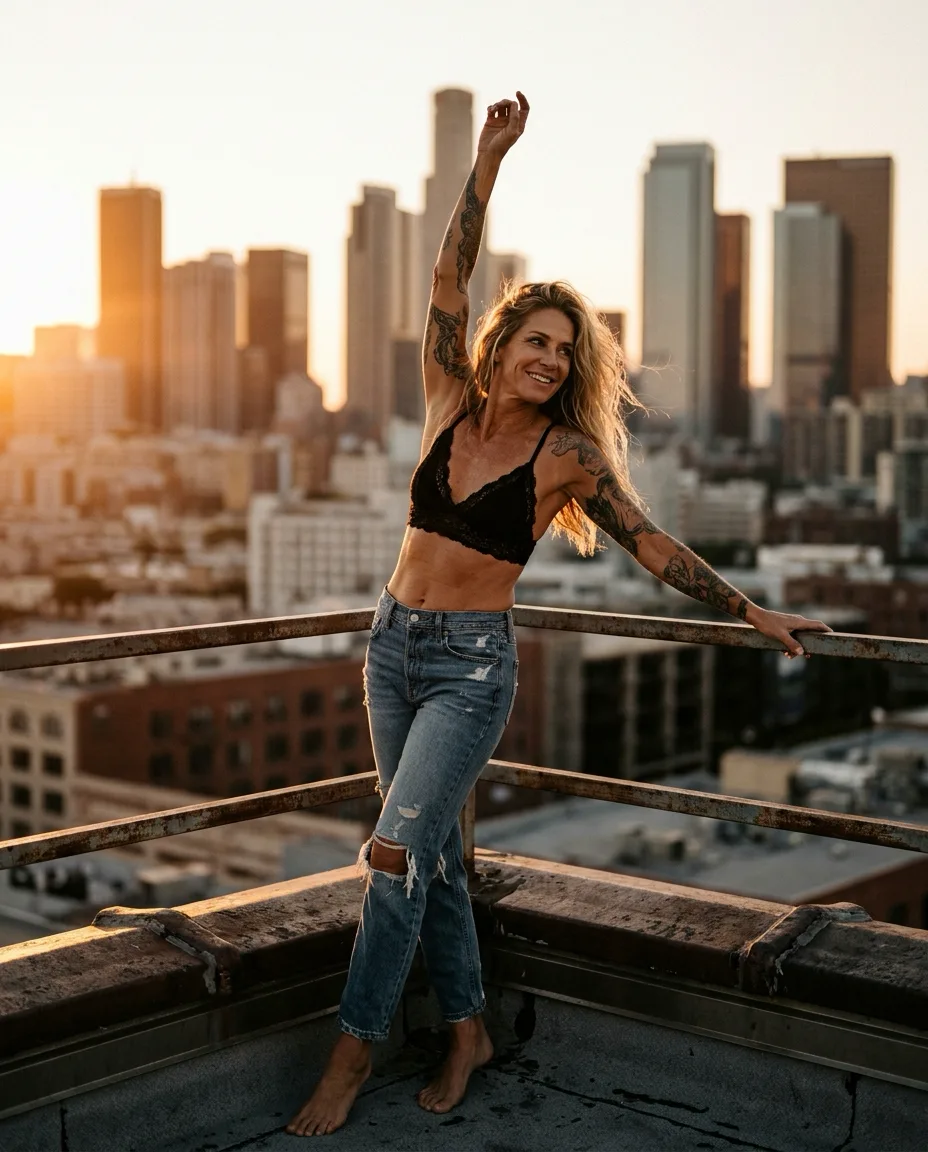
You do not need to change your body before you book a session.
Seeing photos of your body as it is can leave you more confident in it. Nobody can promise that result.
Feeling nervous before a first session is normal, and it is no sign that this is wrong for you. New to all of this? Read our notes on getting started with your first shoot.
Studio vs home session: which suits you?
The right choice is the place where you feel most at ease. A studio gives you controlled lighting and props close at hand. At home, your own bed, chair and things are in the photos.
| Factor | Studio | Home |
|---|---|---|
| Lighting | Controlled and ready to adjust | Depends on your windows and rooms |
| Props and backdrops | Often on hand, such as bedding or furniture | Your own bed, chairs and personal items |
| Feel | A break from daily life | Familiar and personal |
| Good fit if | You want everything set up for you | You relax most among your own things |
In either place, bring one or two items that mean something to you. A boudoir photo session should also feel private, so ask who else will be in the space.
How to prepare for a boudoir shoot
Start by talking. Share your ideas and expectations with your photographer, and ask what will happen from the moment you arrive. Knowing the plan makes it easier to relax.
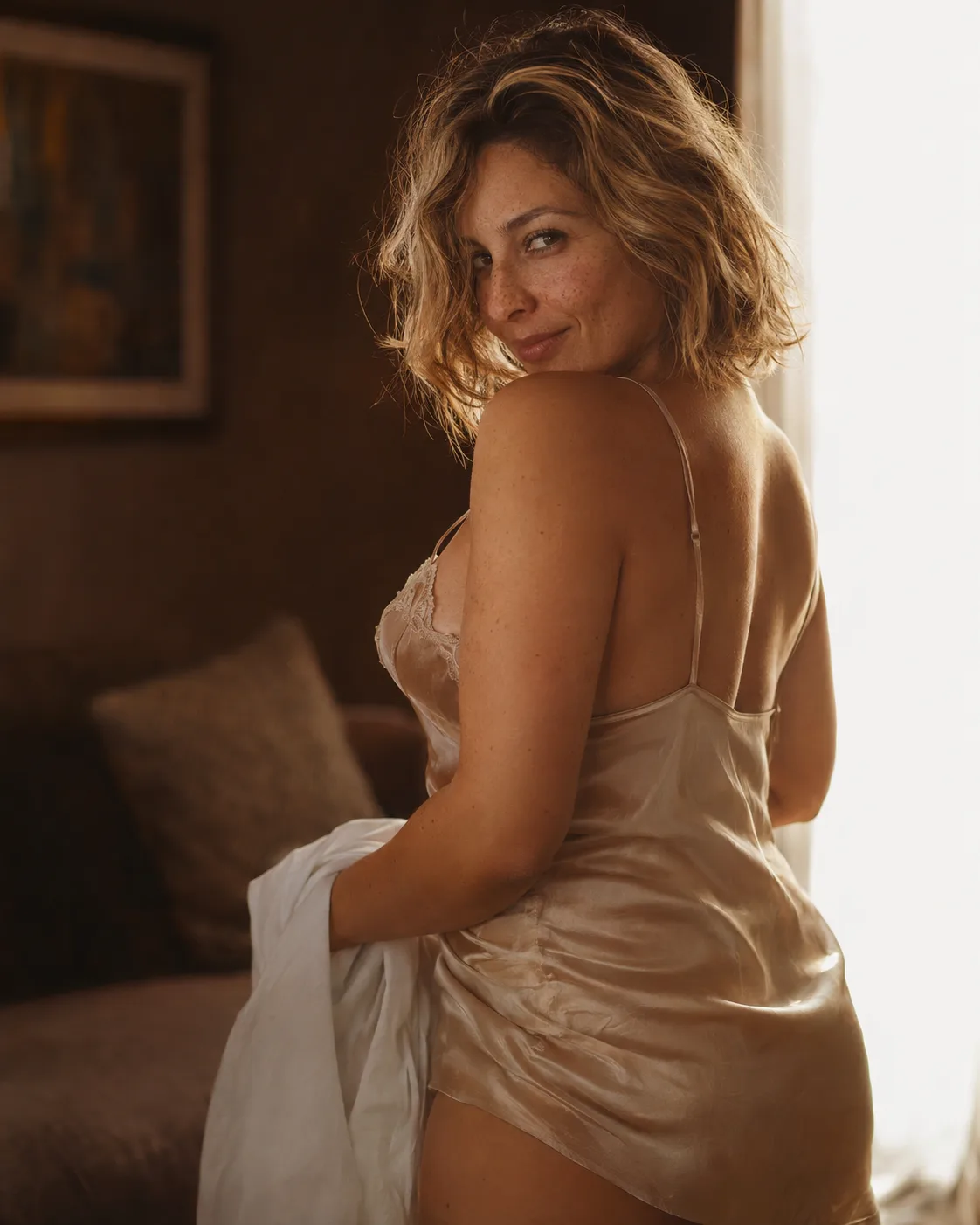
- Describe how you want the photos to feel.
- Name anything you do not want to show or do.
- Choose your outfits early and try them on.
- Plan a calm day before the shoot, with good rest.
What to wear for intimate portraits
Pick outfits that photograph well, make you feel confident and match your personal style. Bring a few options and ask your photographer to help you choose. For more ideas, read our guide on how to dress for your session.
Skin, hair and makeup
Aim for a natural look, close to how you appear every day. The goal is to look like yourself, not to become someone else. Skip any new skin treatment or hair color right before the shoot. You do not want surprises on the day.
How lighting, posing and retouching shape your photos
These three choices set the mood of your images. The technical side is the photographer’s job, but it helps to know what to ask for.
Soft light or dramatic light
- Soft, diffused light feels gentle and romantic. Window light and large, soft studio lights are both flattering.
- Dramatic light feels edgy and mysterious, with stronger shadows.
Light can also conceal or reveal as much as you like. Your photographer can move the light and shadows to show more or less of you. Tell them what you want.
Posing with direction
Nobody expects you to know how to pose. Ask for personal guidance, one small move at a time. Small moves help your body language stay genuine.
If a pose feels wrong, say so and move on.
Natural retouching
We recommend light retouching. It can tidy an image without changing how you really look. Say what you want left alone, such as a scar or a stretch mark. When you choose your final images, pick the ones where you still look like you.
Privacy questions to ask a photographer before you book
Your privacy matters from your first message to the day you get your photos. Use this checklist with any photographer you are considering, and expect clear answers.
- Boudoir photography privacy: will you sign a confidentiality agreement?
- Who can access my images, and how are they stored?
- Will anything appear on social media or in online galleries without my consent?
- How will you respect my boundaries during the session?
- Can I see full sessions you have shot?
- Can we talk through my ideas first?
A simple rule: if a photographer avoids any of these questions, keep looking.
Look through their public work as well. A consistent style in lighting, posing and retouching shows what you can expect, and the galleries show how they present other people’s images. Before you pay anything, check whether they answered your questions in writing.
Intimate portraits: frequently asked questions
What should I do if I feel nervous before my session?
Tell your photographer that you feel nervous, ideally before the session starts. Nerves are normal, especially the first time. Ask what will happen, begin in an outfit you feel good in, and ask for clear direction one pose at a time. You can ask for a break or drop a pose at any point. You set the pace.
What can I wear for a shoot if I am modest?
You can wear anything that feels comfortable, including a soft robe, a loose shirt or a bodysuit. A boudoir session does not mean showing more than you want. Tell your photographer your limits beforehand, and ask them to use light and angles that conceal as much as you prefer. You stay in control of what the camera shows.