To plan ethnic boudoir photography that honors your heritage, start with your own story. Choose clothing whose meaning you know, ask your photographer direct questions and set your limits early. As with any personalized boudoir photography, the choices should stay yours.
What is ethnic boudoir photography?
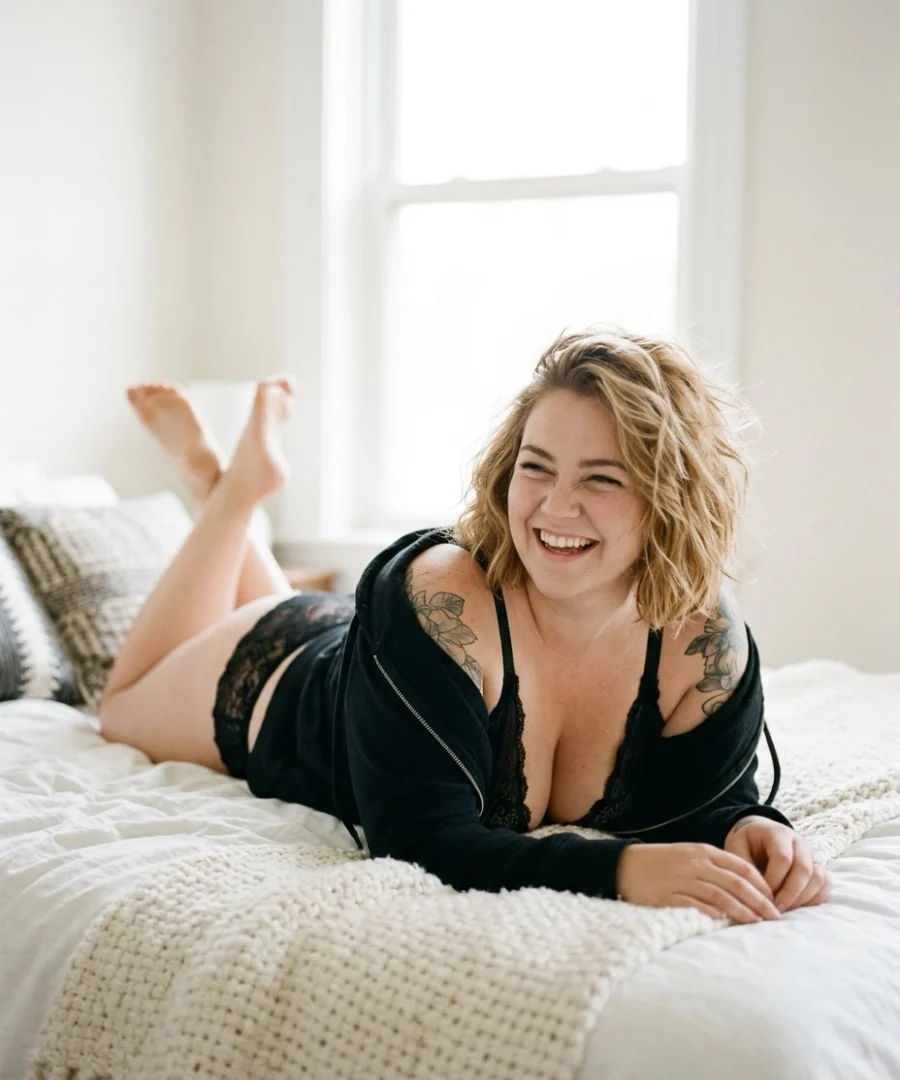
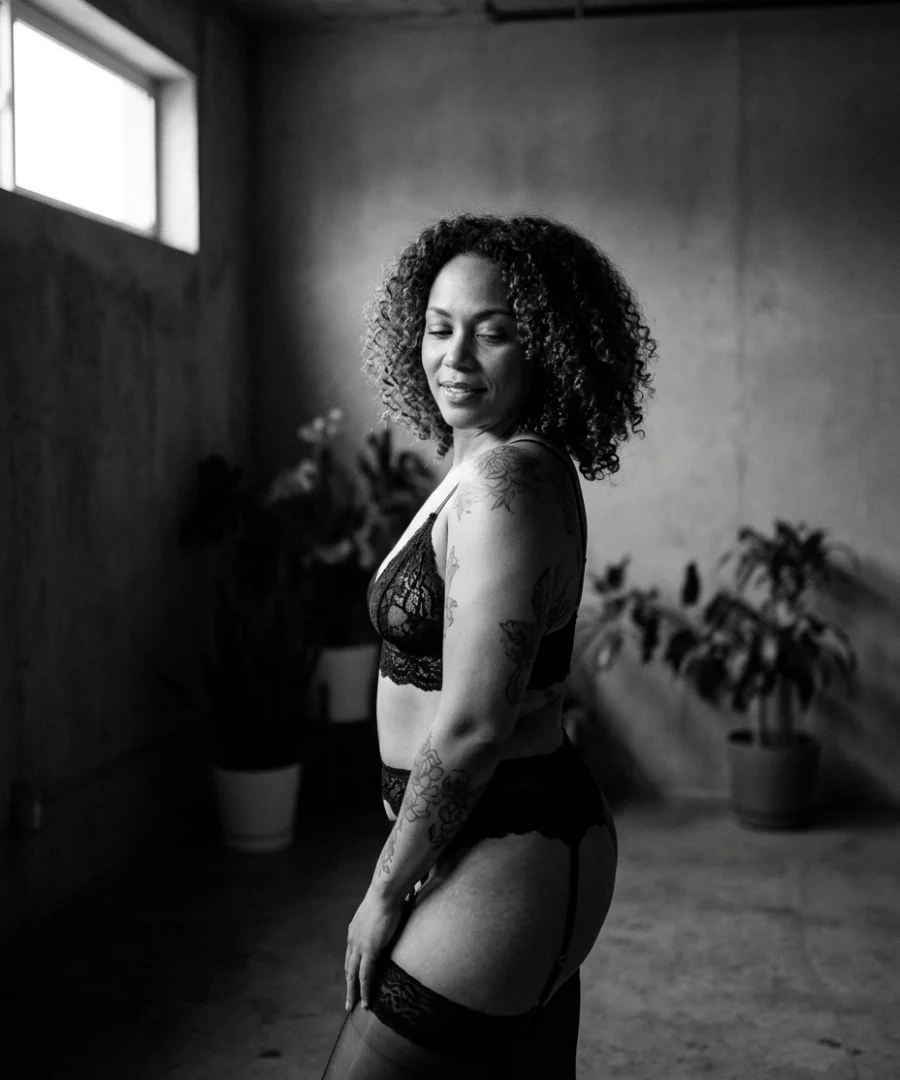
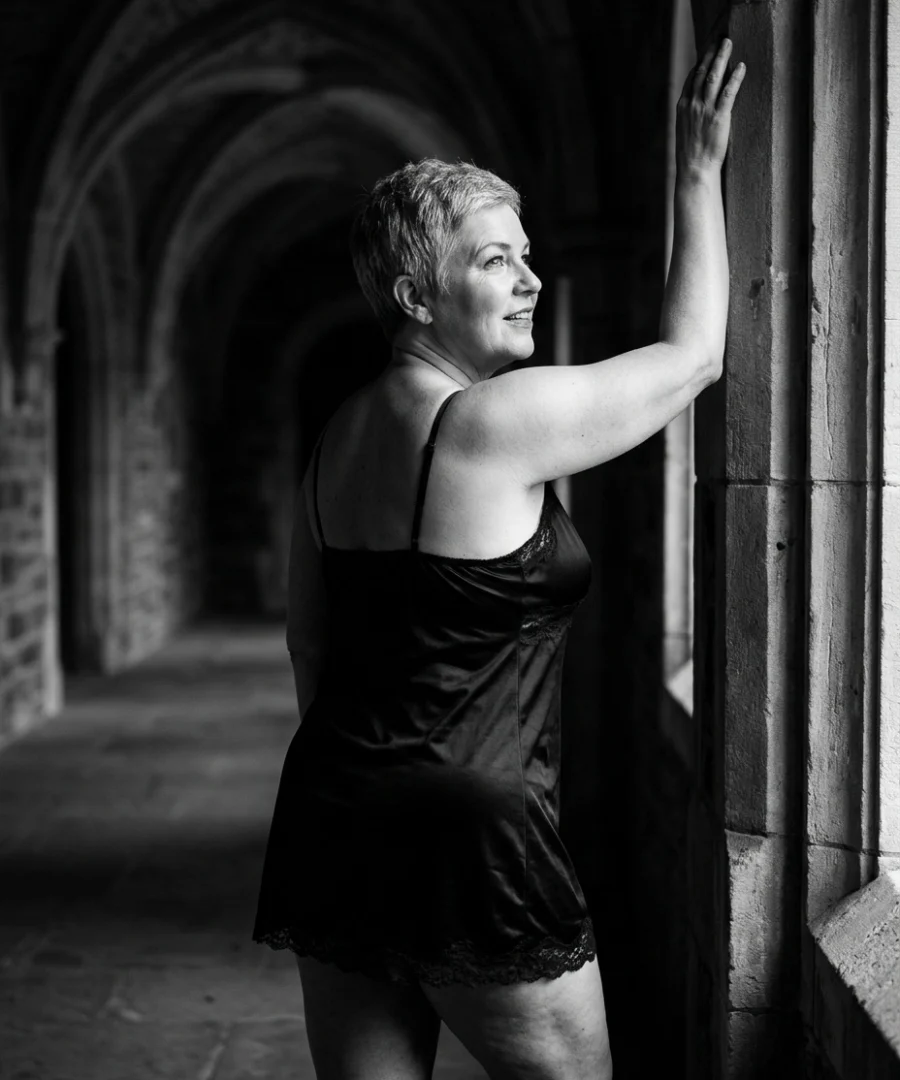
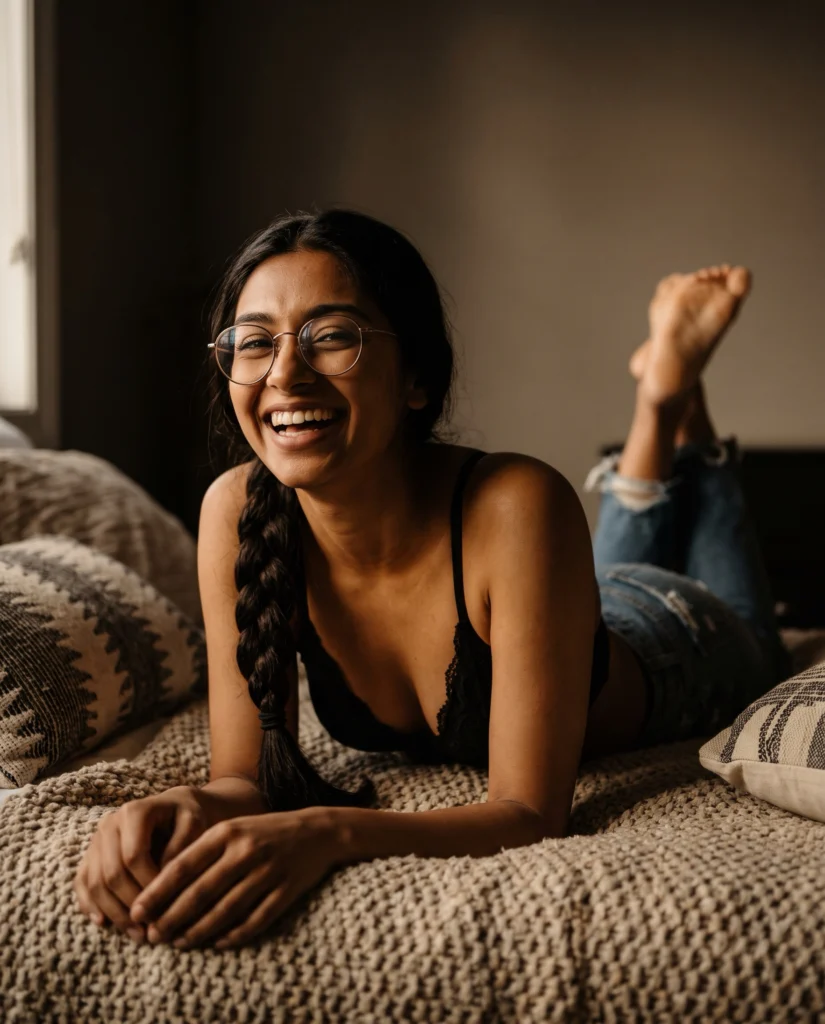
Ethnic boudoir photography is a subgenre of portraiture that blends intimate, personal boudoir images with a person’s ethnic background and heritage. It is part of the wider push for inclusivity and representation. It shows that beauty does not have one form, and there is no single boudoir body. It can also build pride in your heritage and push back on narrow beauty standards.
Cultural boudoir photography works when it tells your own story. Avoid stereotypes, and do not let one look stand in for many traditions.
How to use traditional attire in boudoir photos
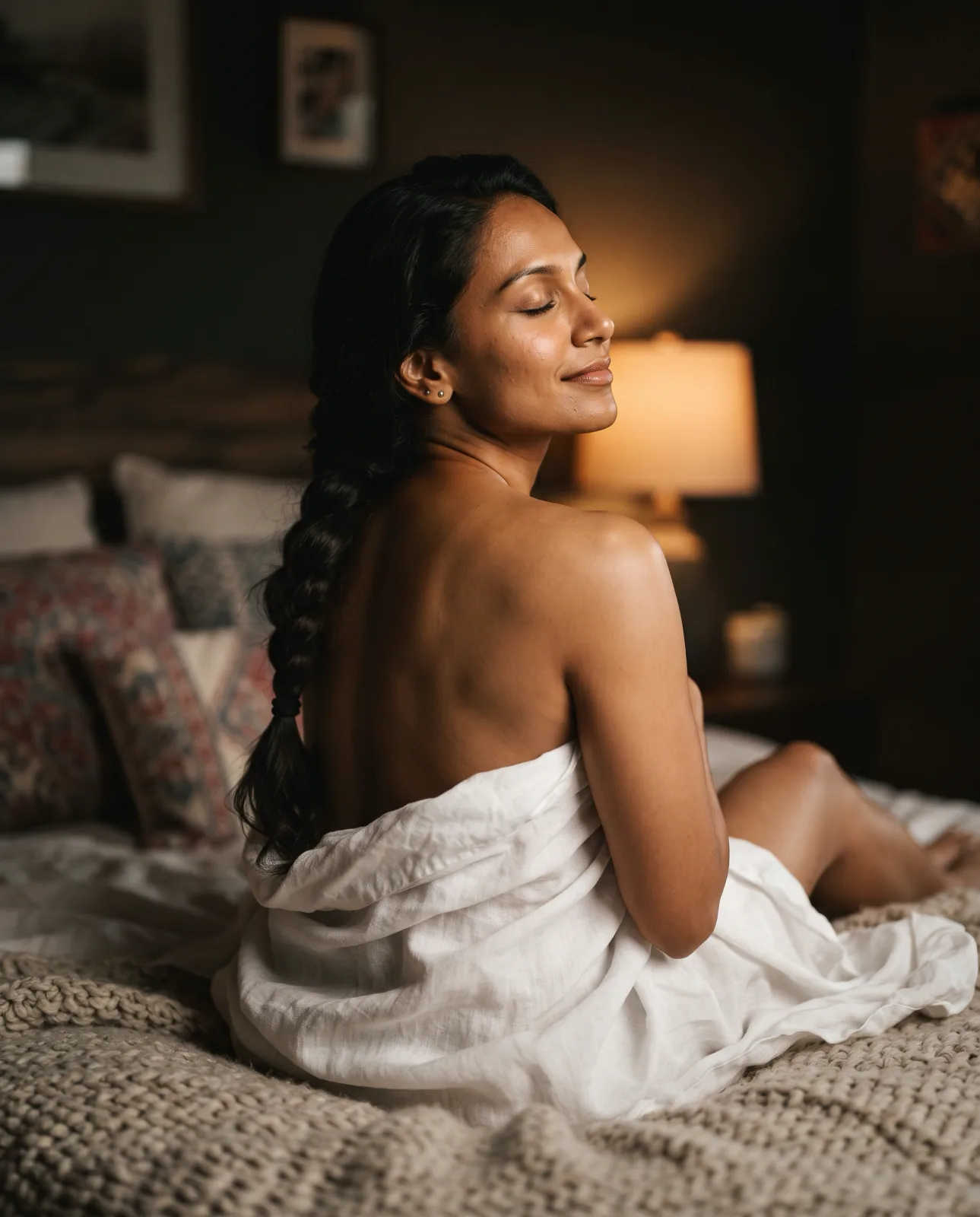
Clothing, accessories and cultural symbols
Traditional attire ties you to your heritage. Before you pick a garment, check what it means. Then ask if it suits an intimate setting.
Treat accessories and cultural symbols the same way. Use them with taste, and keep their cultural integrity.
Props, fabrics and location
A heritage boudoir photoshoot can carry your story in small details:
- Props: a piece of artwork, a musical instrument or a special book.
- Fabrics and textiles: patterns, colors and textures with cultural meaning.
- Location: natural light, natural elements or a place tied to your culture, beyond the boudoir photography studio.
A boudoir session in a luxury hotel is another private setting.
Appreciation versus cultural appropriation
Cultural appropriation in boudoir photos means using cultural elements in ways that are rude or out of context. Appreciation keeps their meaning intact. A cultural consultant can tell you how to show practices and symbols with respect.
Makeup, hair and lighting for your shoot
Makeup and hair that reflect your heritage
Makeup and hair for ethnic boudoir should reflect your heritage. Look for a makeup artist and hairstylist who know both traditional and modern styles from your background.
Boudoir lighting for different skin tones
Lighting should be adjusted for your skin, whether dark, light or in between. Light and shadow also set the mood and can bring out jewelry and fabrics.
Ask how camera choices and editing will treat the color and texture of your attire and makeup. Cultural elements should stay intact.
How do you choose a photographer for a heritage shoot?
Choose a boudoir photographer or boudoir studio whose portfolio shows many ethnic backgrounds. They should also ask about your culture early. A consultation before the session should cover your wishes, your expectations and any cultural needs.
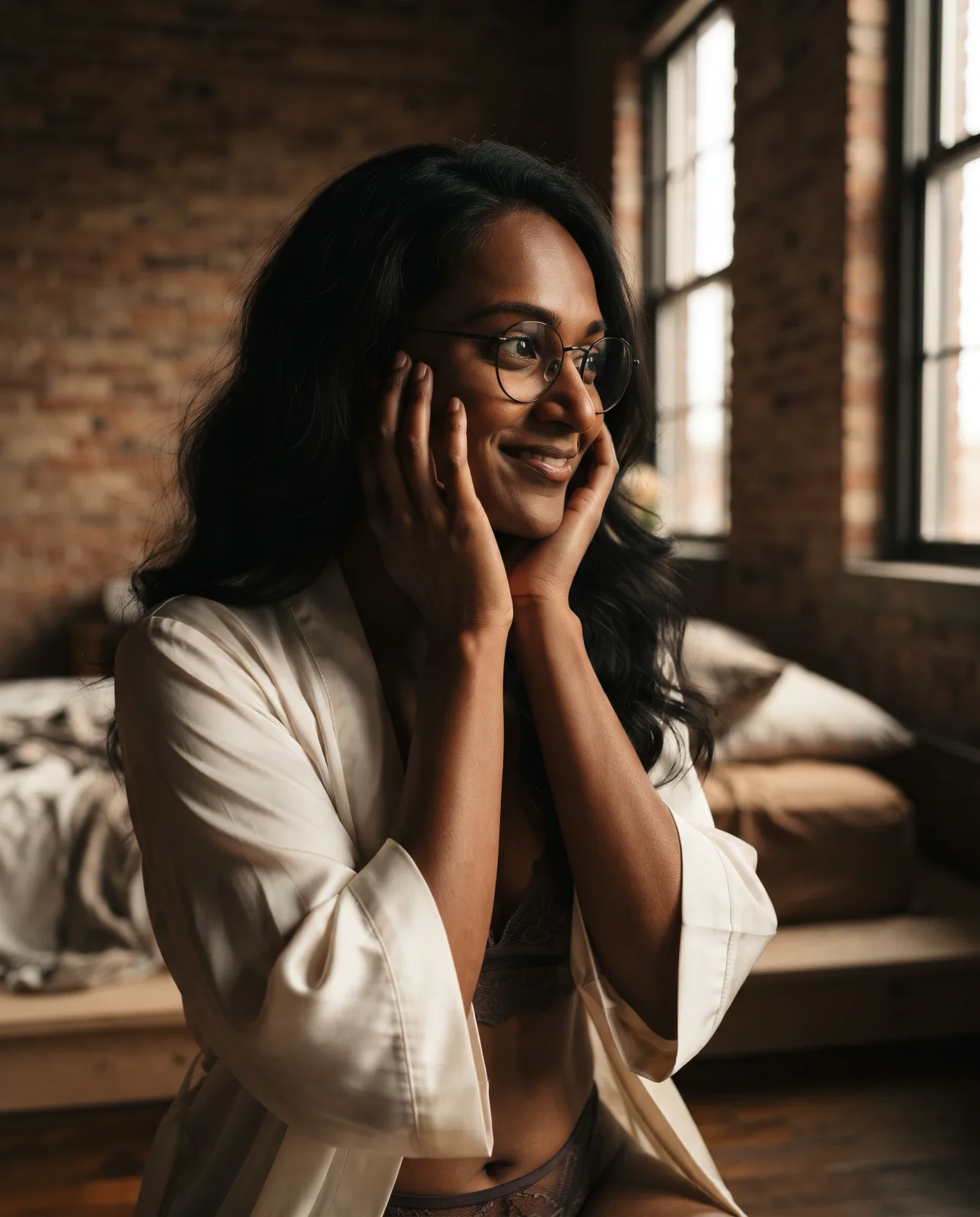
Questions to ask before you book
We recommend asking these at your consultation:
- Will you ask what each garment means to me?
- Can a cultural consultant advise if needed?
- Do your makeup artist and hairstylist know my traditions?
- Can I see your work with skin tones like mine?
- How will you respect my limits on poses?
- Will you ask my permission before sharing any image?
- Will I have support until delivery, and is a boudoir album included?
A small rule
If you cannot explain what a garment or symbol means, or it does not come from your background, ask someone knowledgeable before wearing it.
Poses, cultural norms and your limits
Boudoir poses and cultural norms do not always match. What looks good or feels right in one culture may not in another. Your boundaries and comfort come first.
You can stay fully dressed or ask about implied nude photos with more coverage. Expect a safe, welcoming space on the day. You should also have the final say on how your cultural identity is shown.
Heritage boudoir shoots: frequently asked questions
Can I wear traditional clothing in a boudoir shoot?
Yes, you can wear traditional clothing in a boudoir shoot if it feels right to you. First check what each garment means and whether it suits an intimate setting. Then share that meaning with your photographer, so the images respect it.
Is it cultural appropriation to wear attire from another culture?
It can be, especially when the attire is used in a disrespectful or out-of-context way. If a garment is not from your own background, ask someone knowledgeable what it means and whether wearing it is respectful. If in doubt, skip it.
Can I say no to a pose that conflicts with my culture?
Yes, you can say no to any pose at any time, and you do not need to explain why. Share your cultural limits at the consultation so your photographer can plan around them. A respectful photographer will simply move on to another pose.