Disclosure: some links in this article are affiliate links. If you buy through them, we may earn a small commission at no extra cost to you.
Gothic boudoir is a darker, more theatrical kind of boudoir shoot, built on lace, velvet, shadow and a sense of story. It goes further than general dark boudoir photography by borrowing from old buildings, Victorian dress and romantic novels. You choose how far it goes, from first outfit to final edit.
What is a dark romantic boudoir shoot?
Gothic boudoir photography is an intimate portrait style that is moody and romantic, with a touch of theater. Expect dark rooms and strong shadows.
Four signs of the style:
- Skin against a dark backdrop
- Clothes or rooms from a past era
- A sensual mood that stays tasteful
- A sense of story
Gothic culture draws on Gothic architecture, Victorian taste, punk rebellion, and 18th-century romantic literature and art. It became a distinct subculture in the late 20th century.
Gothic vs. traditional boudoir
Traditional boudoir often uses sunlit rooms and soft pastels for light and ease. Gothic moves into shadow, contrast and drama for mystery and longing.
Good to know
Boudoir noir is another phrase for this darker style: dark, dramatic photos.
How dark should your gothic photoshoot go?
Go only as dark as feels right. Pick a level, then mix across the rows if you like.
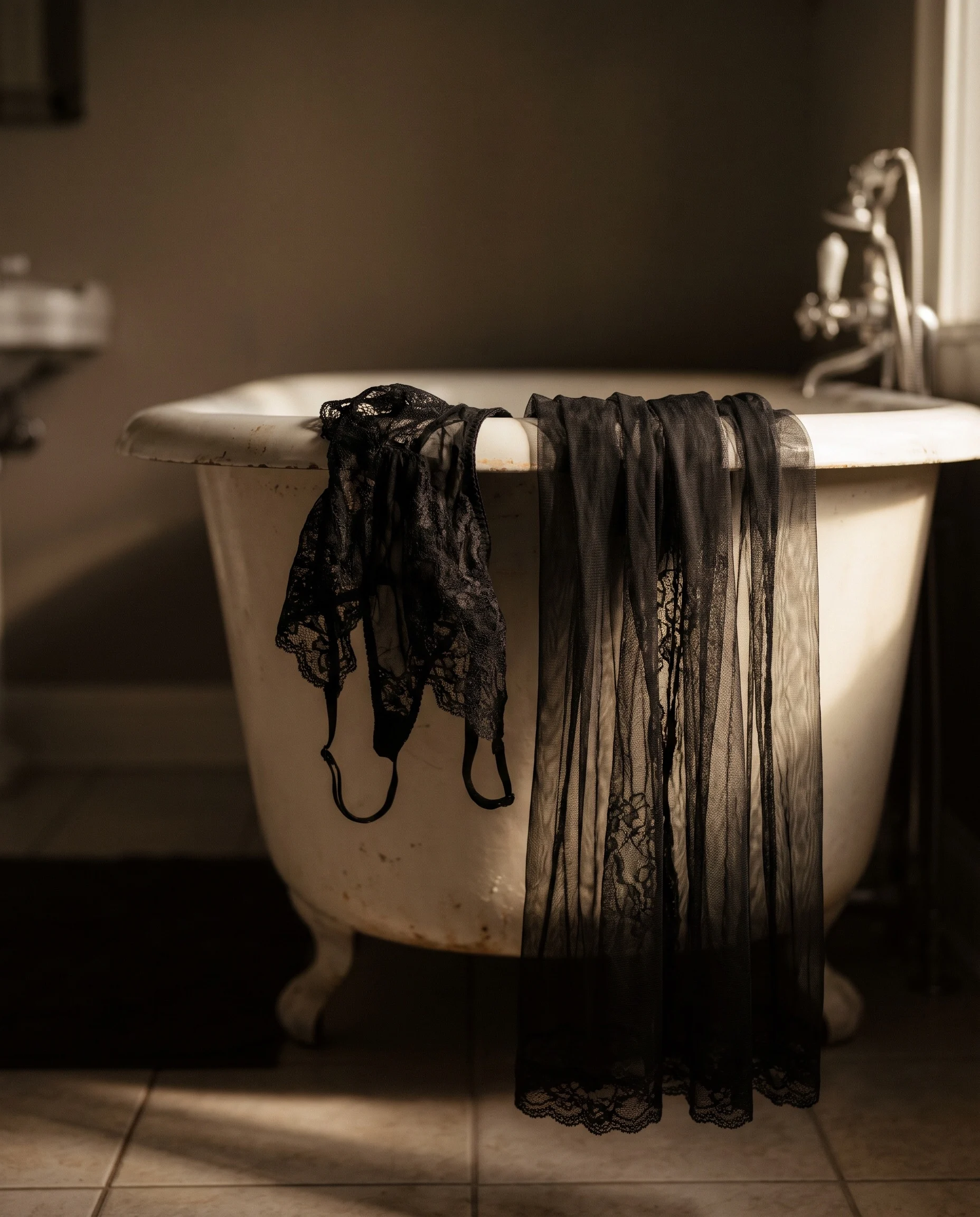
| Level | Outfit | Props and setting | Light | Edit |
|---|---|---|---|---|
| Soft romantic | Lace | A few quiet props | Gentle light | Light hand |
| Deep Victorian | Velvet and corset | Candelabras, drapes | Strong contrast | Moody tones |
| Full theatrical | Leather and headpiece | Skull and mirror | Colored light | Strong color |
Not sure? Start one level softer than your first instinct, because adding is easier than backing away.
A historical building, ornate room or staged studio all suit it. Ask where you change, who is there and how private it is.
Build a vision board of gothic imagery from novels, films, Victorian dress, color palettes and poses. Add pictures of what you do not want.
Gothic boudoir outfits, props and makeup
Gothic lingerie for a boudoir shoot looks old-world: lace, ribbons, straps and buckles. Black lace or velvet boudoir dresses give the same mood with more coverage.
A corset is optional. Wear one you can breathe and move in, and can loosen or remove.
These plus size boudoir tips cover fit and dressing.
- Gothic fashion colors: black, midnight blue or deep purple
- Accessories: one or two strong pieces, such as a choker, bracelets, rings or a headpiece
A small rule
Wear each outfit at home. Sit, lie down and raise your arms. If it pinches or worries you, leave it out.
Props, makeup and hair for a gothic look
Pick two or three props that mean something to you, such as candelabras, aged books or dark flowers. Drapes and a chaise set the room. Ravens, skulls and mirrors add symbols.
- Skin: pale foundation is a choice, not a rule
- Eyes: smoky shadow, careful liner, dark shimmer
- Hair: Pre-Raphaelite waves or pinned Victorian styles
- Body art: temporary lace-pattern tattoos
Gothic poses, light and your photographer
These three choices shape how the final images feel.
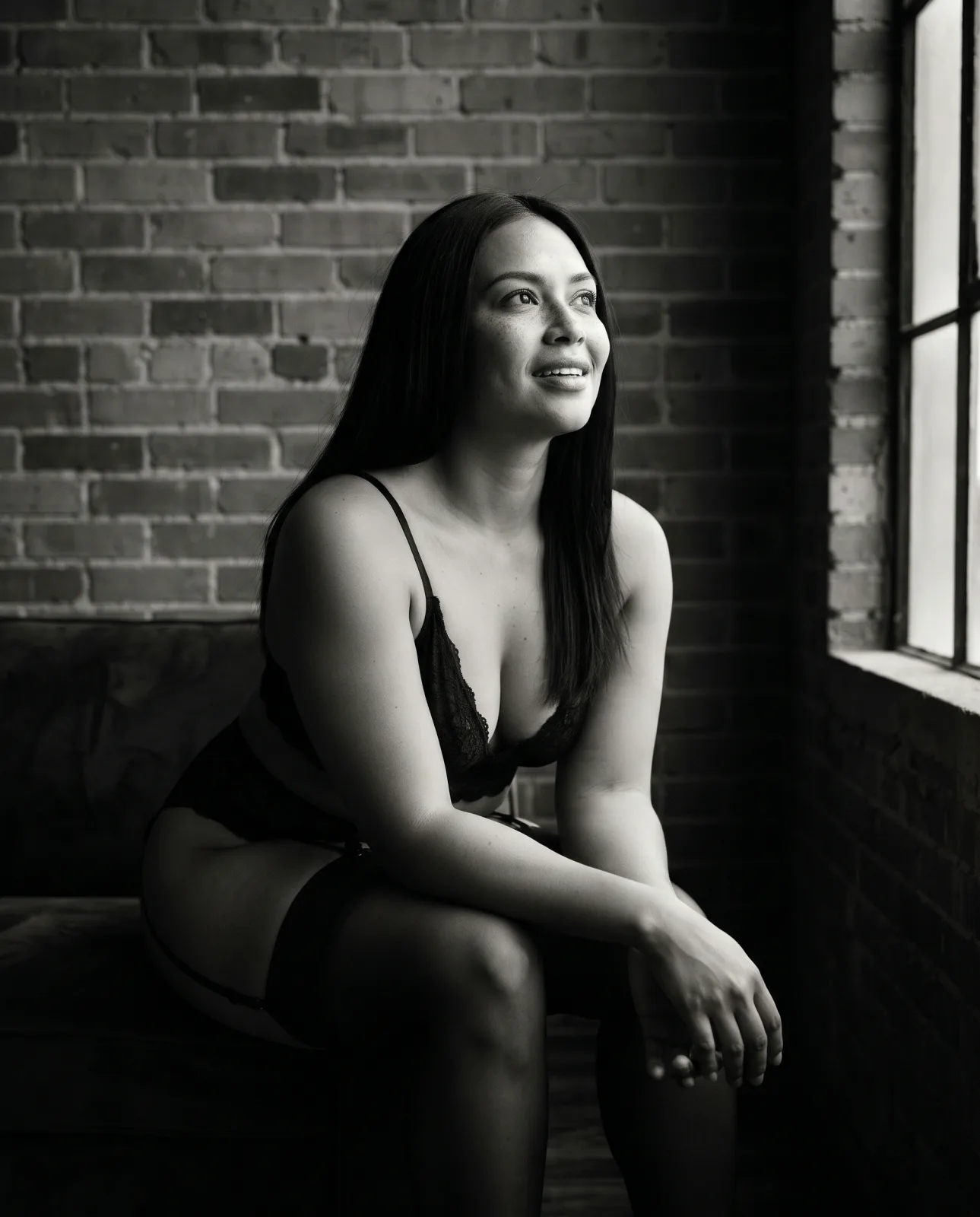
Poses that tell a story
Keep one simple story in mind, then try these:
- Gaze out of an ornate window
- Lie across a chaise
- Hold a symbolic prop close
- Sit beside a mirror
Closed eyes help if you feel shy. Worried about looking vulgar? Read about keeping your photos elegant and tasteful.
You can say no to any pose, prop or outfit, at any time, and you do not owe anyone a reason.
How light and editing shape a dark romantic mood
Contrast means light shows and shadow hides. Soft light feels gentle, direct light feels severe, and purple, red or icy blue light feels dreamlike. Natural light shifts through the day, while studio light gives more control.
Agree on the edit first and ask for before and after examples. Color grading, dodging and burning, grain, vignettes and aged film filters shape the finish. Test one image at full size and on your phone.
How do you choose a photographer for a gothic shoot?
Choose one who can show a full gothic gallery from one shoot. Look for variety across eras and moods, and a range of bodies and ages.
Ask before you book:
- How will you guide me?
- Who is in the room?
- How do we agree on edits?
- Who sees my images?
- Will you get written permission before any online or portfolio use?
Gothic shoots: frequently asked questions
Do I need to be goth to book?
No. You do not need to belong to the gothic scene or own any of the clothes. You also do not need a certain body, age or skin tone. Liking the mood is enough, and you decide how much to borrow.
Must I wear a corset or pale makeup?
No, both are your choice. Lace, velvet or a long dress can carry the look without a corset. You can also keep your own skin tone and build the drama around your eyes, with smoky shadow and dark, careful liner.
Is this style too much for a first shoot?
No, because you control how far it goes. Start with the soft romantic level: lace, a few quiet props and gentle light. You also choose how dark the edit goes, so ask for examples and say which ones you like best.
Who will see my photos?
That depends on what you and your photographer agree, so settle it before the shoot. Ask who can view the images and whether any will be shared online or in a portfolio. Get it in writing, so there is no doubt.