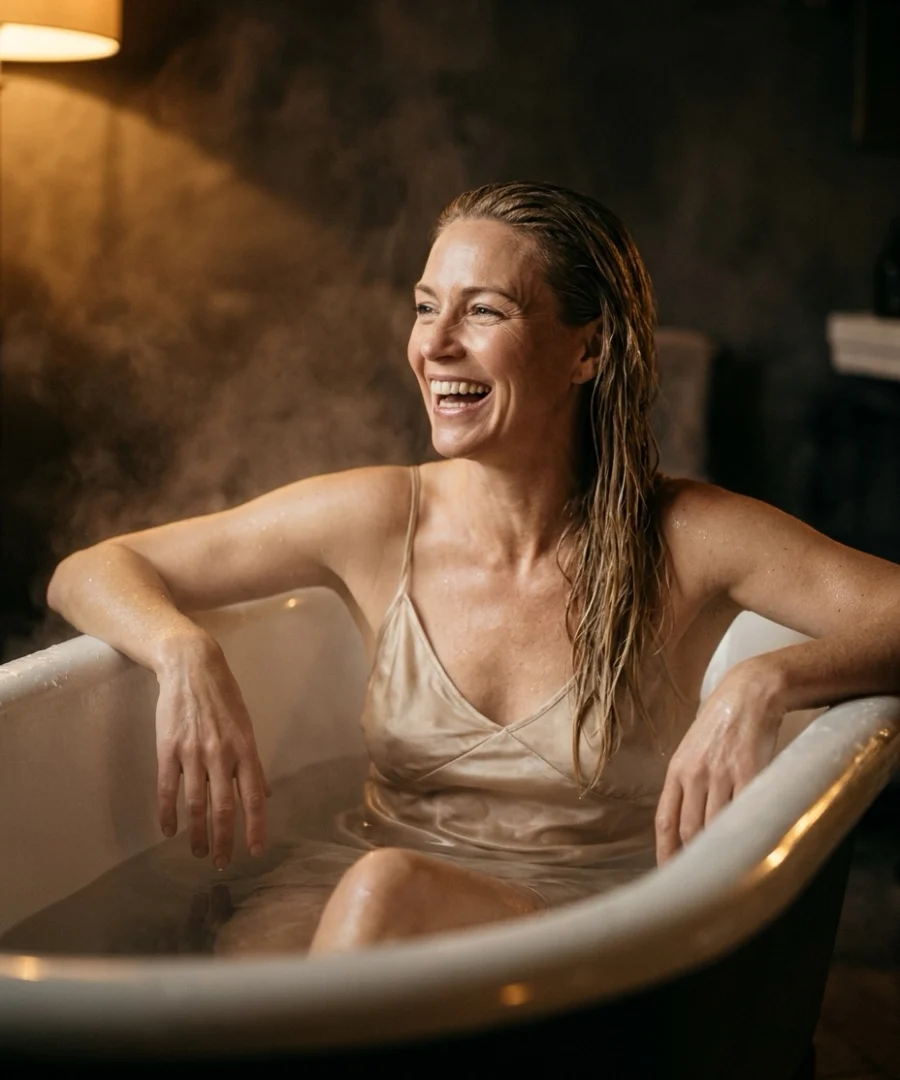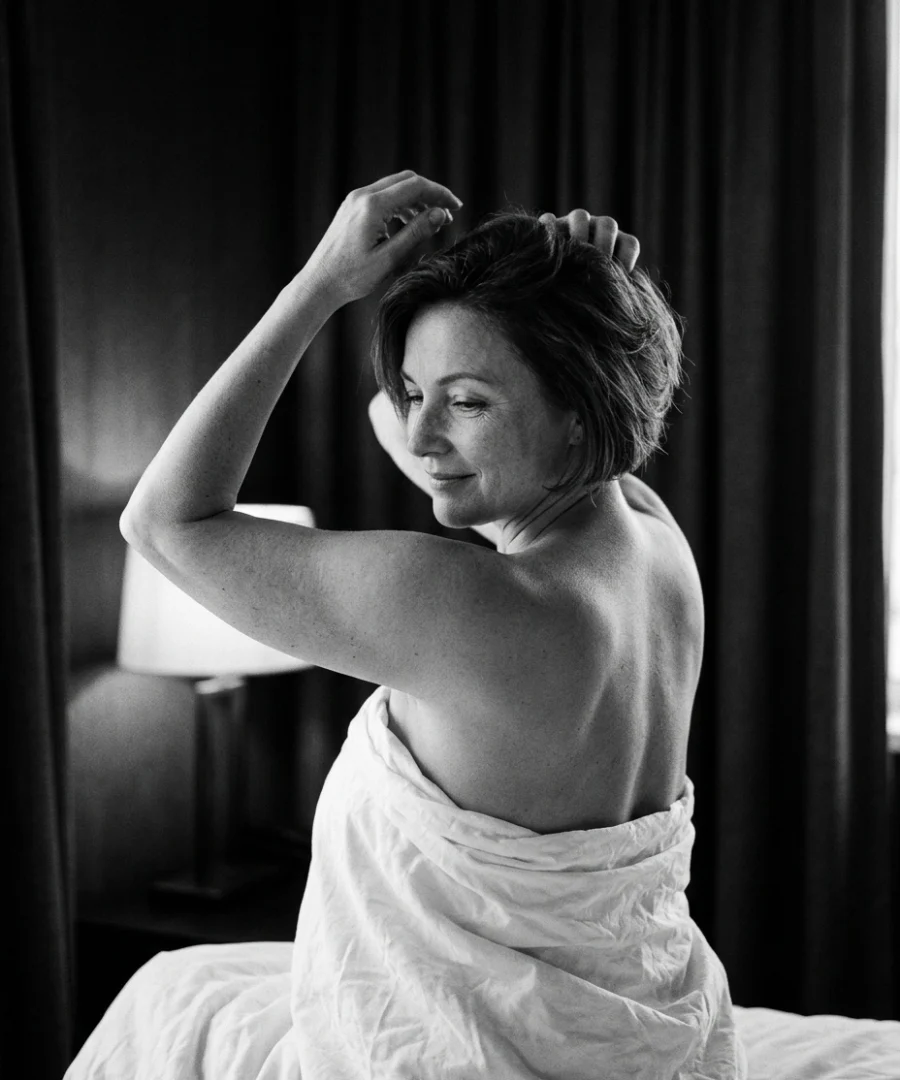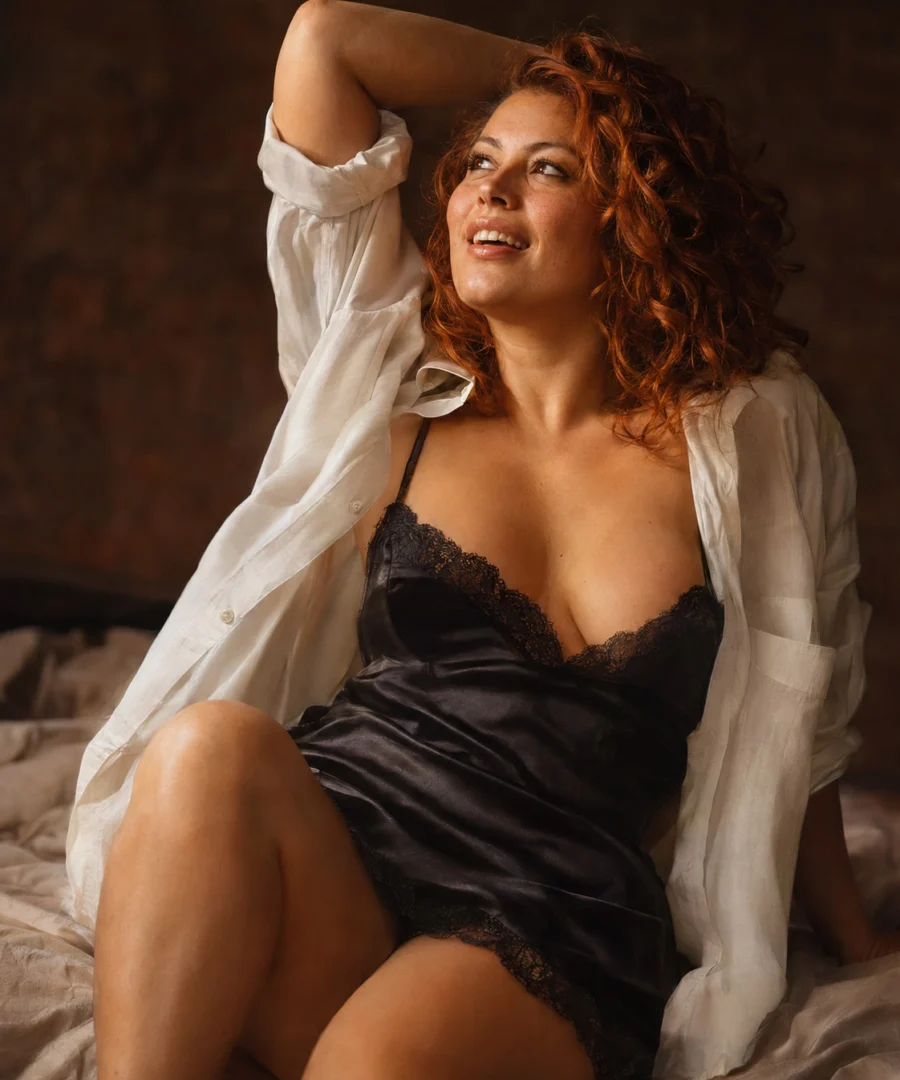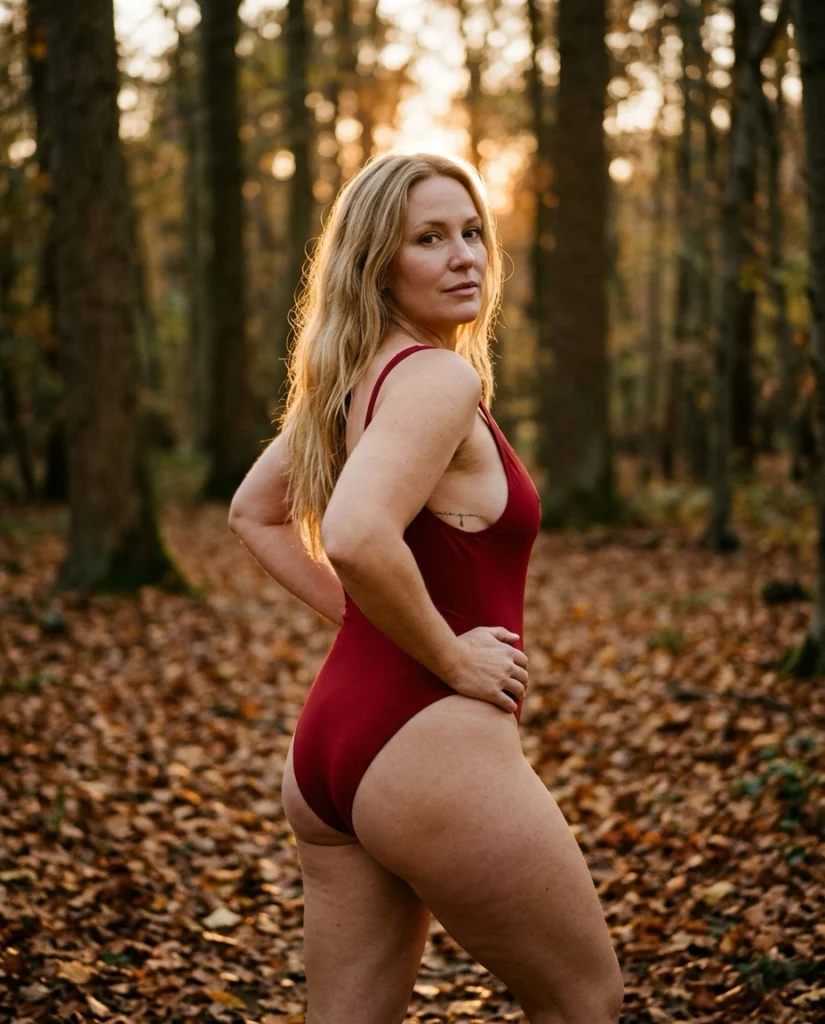
Personalized boudoir photography is a private portrait session built around your personality, style and comfort, not a set formula. You help choose the theme, wardrobe, props and music, and the photographer guides the rest. If this is your first shoot, our first-timer’s guide to boudoir covers the basics.
What makes boudoir photography personalized?
Your own input makes it personalized. Your personality, preferences and comfort level shape the session, and you plan it with the photographer, so the images tell your story.
Boudoir photography is intimate, elegant portraiture that celebrates confidence and comfort, often in a bedroom or dressing room. It grew out of portraiture and intimate artwork, moving from private paintings to a mainstream photographic movement.
Some people mistake it for explicit content. It is tasteful work built on self-love, artistry and respect. It also rejects one-size-fits-all beauty standards, so your session should reflect your beauty and no one else’s.
Good to know
A session can support confidence, body positivity and self-acceptance. No photographer can promise that, so be wary of anyone who does.
What can you customize in your photoshoot?
You can customize the theme, clothes, props, music, room and location. A custom boudoir photoshoot starts with a consultation, where you share ideas, ask questions and agree on a plan.
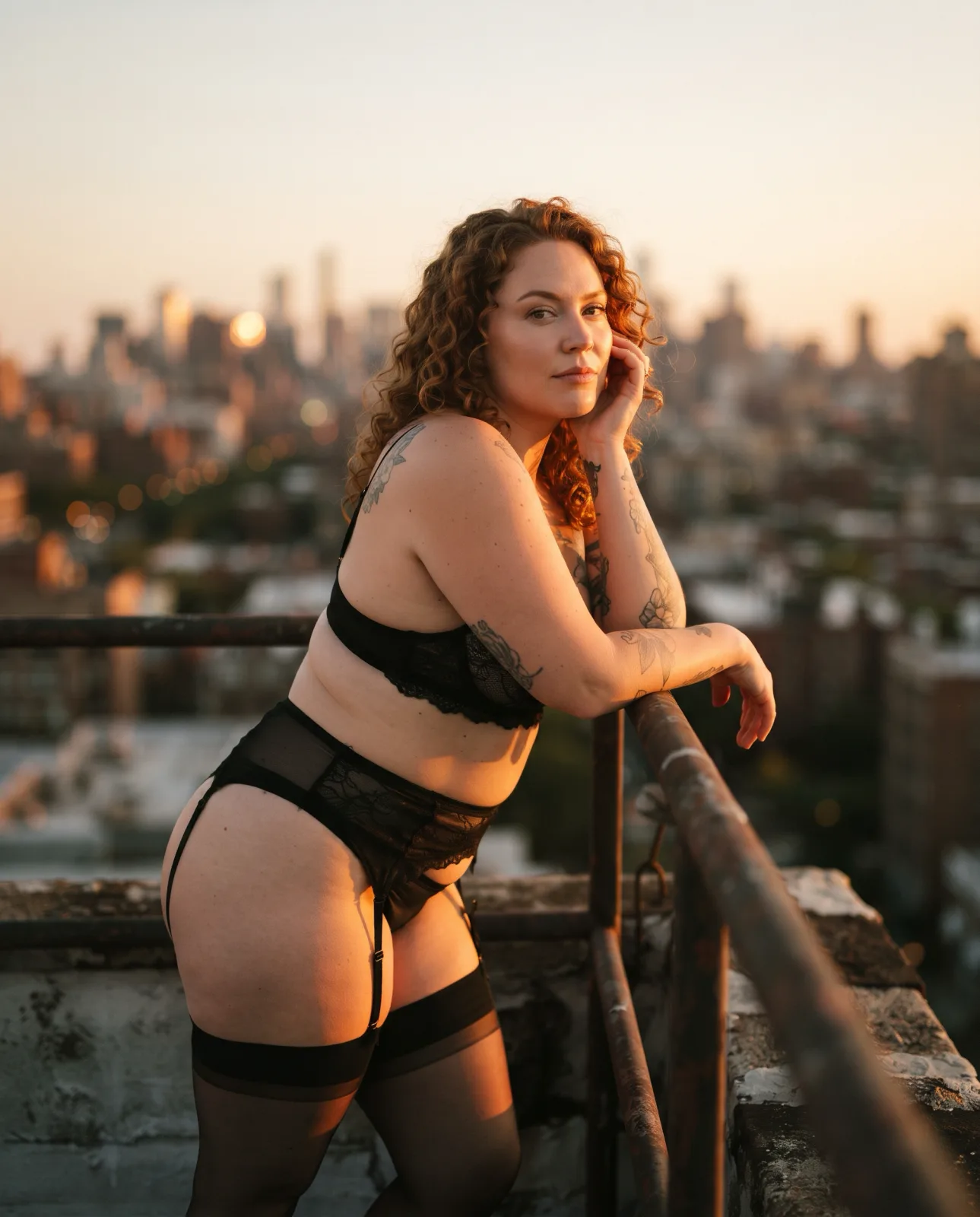
Theme, wardrobe and props
Bring things that feel like you: your favorite lingerie, a cherished book, even a musical instrument. For clothing ideas, browse these elegant outfits for your session.
Music, room and location
- Music: play your favorite songs during the shoot.
- Room: ask for the temperature you like.
- Location: choose a boudoir studio or a place you pick, and ask for travel details.
- Timing: ask about flexible dates and times.
What to expect at a boudoir shoot
A personalized boudoir session usually follows six steps. You can say no to any pose or outfit at any time, and open communication keeps the session comfortable.
- Consultation. You share ideas, themes and questions, and you raise any worries.
- Planning. You pick outfits and props and set a date.
- Setting up. The room gets your music and temperature.
- Posing and lighting. The photographer guides each pose and shapes the light, so you don’t need any experience.
- The reveal. You view your photos and select the ones you love.
- Delivery. Your images arrive through secure delivery, with albums or private online galleries as options to ask about.
How to choose a photography studio you can trust
A search for “boudoir photography near me” is a fine start, but personalized boudoir photography depends on trust more than distance. Read each boudoir photography studio’s site for clear answers on privacy and care. Some list these sessions as beauty boudoir. You can also compare affordable boudoir photography services before you decide.
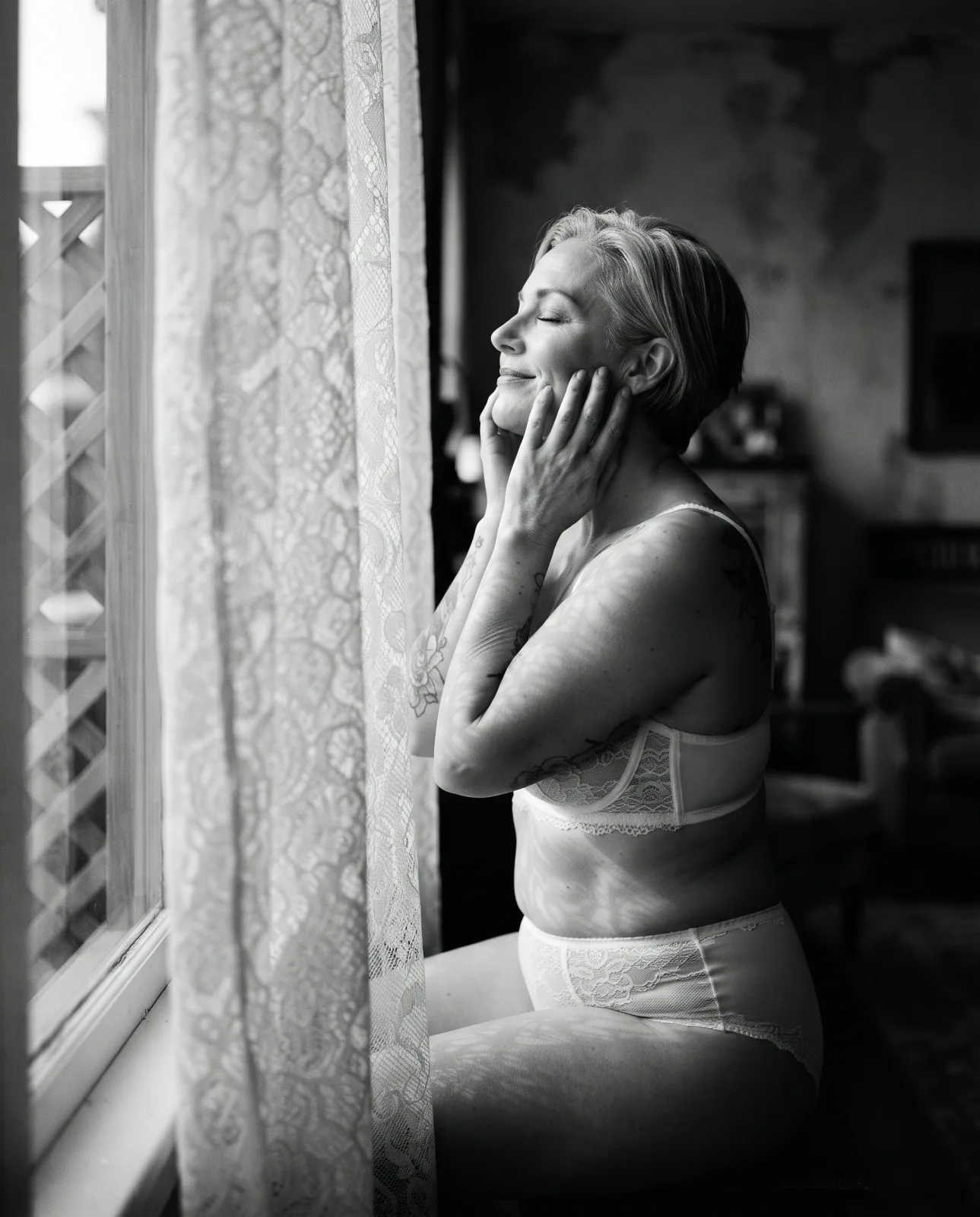
Questions to ask before you book
Use this checklist at your consultation.
- Can we hold a consultation first?
- How will you use my theme, wardrobe and props?
- Will you guide my poses and lighting?
- What equipment and editing do you use?
- Can I choose the music and room temperature?
- Who sees my photos, and how are they delivered?
- Can I share concerns openly during the session?
- Which albums or private galleries are available?
Privacy and photo delivery
Privacy should run from your first consultation to the final delivery. Ask who can see your images and whether any will be shared. We recommend getting the answers in writing and walking away if they stay vague.
Personalized boudoir photography: FAQ
Is boudoir photography tasteful?
Yes, boudoir photography is meant to be tasteful, not explicit. It centers on self-love, artistry and respect for the person in front of the camera. Styles differ, so look through a photographer’s past work and share your limits at the consultation. You stay in charge of what you wear.
What if I don’t know how to pose?
You don’t need to know how to pose, because guiding you is the photographer’s job. A good one shows you each position, adjusts the light and aims for poses that look natural. Ask about this at your consultation. If a pose feels wrong, say so and try another.